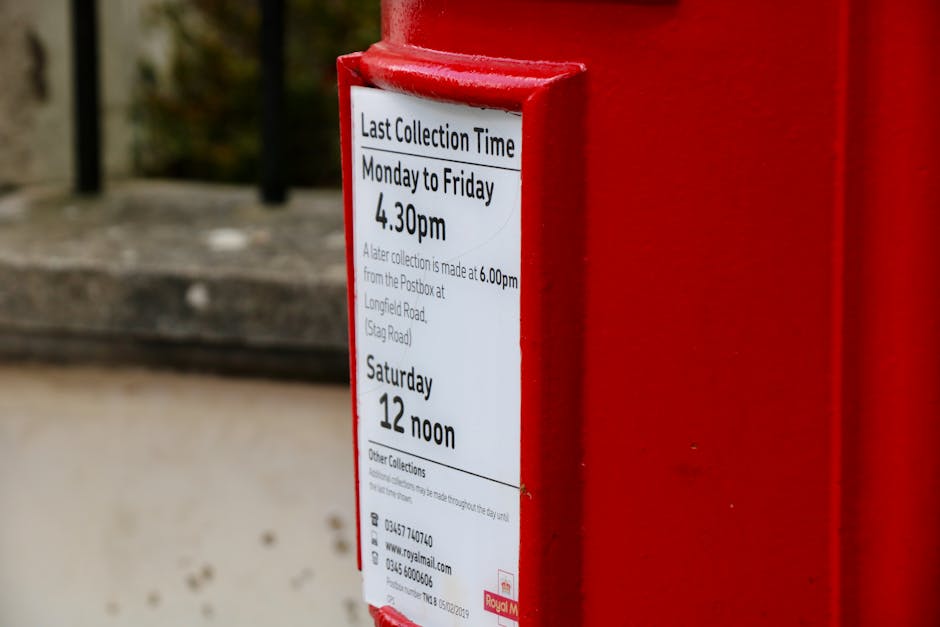
Blackheath Shop Evening Rubbish Collection Scheduling: What to Know
If you run a shop in Blackheath, evening rubbish collection scheduling can be the difference between a tidy, customer-ready frontage and a messy start to the next trading day. The basic idea is simple: arrange waste removal after closing time so bins, sacks, cardboard, and packaging do not block your entrance during business hours. In practice, though, there is a bit more to get right. Timing, access, neighbours, staff handover, storage space, and compliance all matter. This guide explains Blackheath shop evening rubbish collection scheduling what to know in plain English, with practical steps you can actually use.
Whether you manage a small independent unit, a cafe-style retail space, or a busy high-street shop, the aim is the same: make collection predictable, quiet, and safe. Let's face it, nobody wants waste bags sitting by the kerb when the first customers arrive at 8:30am.
Why Blackheath shop evening rubbish collection scheduling what to know Matters
Evening scheduling matters because retail waste is rarely convenient. You have cardboard from deliveries, food waste from staff areas, broken packaging, outdated stock, and maybe bulky items from a refit. If that waste is left until morning, it can spill into the busiest part of the day. That creates a few obvious problems: it looks untidy, it may attract pests, and it can get in the way of customers, delivery drivers, or cleaners.
In a place like Blackheath, presentation counts. Shops often sit in mixed-use streets, so you are not only thinking about your own doorway. You are also thinking about footfall, neighbouring businesses, and people living nearby. Evening collections help keep the whole street calmer and cleaner. They also reduce the odds of waste being moved around repeatedly by staff who are trying to open, serve, and restock at the same time. Bit of a headache, really, if you leave it all too late.
There is also a practical business angle. When rubbish collection is scheduled properly, your team spends less time improvising. That means fewer missed pickups, less overfilling, and fewer last-minute panic calls. If your shop depends on smooth opening routines, waste collection should be treated like any other operational task, not an afterthought.
Expert summary: the best evening rubbish collection plan is one that suits your closing time, avoids disruption to neighbours, keeps waste secure, and gives staff a clear routine they can repeat every day. Small detail, big difference.
How Blackheath shop evening rubbish collection scheduling what to know Works
At a basic level, evening rubbish collection means waste is placed out after trade has ended and collected later that day or during a pre-agreed after-hours window. The exact arrangement depends on your premises, the type of waste, and the service provider. Some shops need one-off collections after a clear-out. Others need regular scheduled collections, such as several evenings a week.
Most good systems follow a predictable pattern:
- Waste is sorted during the day. Cardboard, general rubbish, food waste, and reusable items are separated where possible.
- Staff bag and stack it safely. Everything is tied, contained, and placed in the agreed storage spot.
- Collections happen after closing. That may be early evening, late evening, or a narrow access window that suits the street.
- The collection team removes everything quickly. Good operators keep noise and disruption low.
- The area is left clear. No bins left blocking exits, fire routes, or neighbouring doorways.
If you already use a wider commercial service, evening collections can sit alongside other clearance needs such as business waste removal or even more tailored support like office clearance for mixed retail-office premises. The important thing is that the schedule matches your actual trading pattern. A neat system on paper is useless if it clashes with your busiest thirty minutes of the day.
For shops that generate bulky waste, damaged fittings, or leftover stock, a one-off waste removal arrangement may be more practical than trying to force everything into a standard bin routine. That is often where people get stuck: they keep trying to solve a collection problem with the wrong kind of service.
Key Benefits and Practical Advantages
There are a few strong reasons to prefer evening rubbish collection for a shop. Some are obvious, some are easier to miss until you have been through a messy week or two.
- Better kerb appeal: your frontage looks cleaner when customers arrive.
- Less disruption: collections happen when the shop is closed, so staff are not stepping around bags and bins.
- Improved hygiene: waste is removed before it sits around all night and into the morning rush.
- Safer access: walkways, fire exits, and loading points stay clearer.
- More reliable routines: staff know exactly when to put waste out.
- Better neighbour relations: fewer smells, less clatter, and less early-morning noise.
There is also a less glamorous but very real benefit: better stock management. When packaging waste is collected regularly, stock rooms are easier to use. You notice it in tiny ways. Less cramped back-of-house space. Fewer boxes piled by the sink. Fewer "where did we put that?" moments. It all adds up.
For shops that also deal with furniture changes or seasonal refreshes, evening scheduling can support more occasional services such as furniture disposal or furniture clearance. That can be especially helpful when you are replacing display units or moving old shelving out after hours.
Who This Is For and When It Makes Sense
Evening rubbish collection is not just for large retailers. It suits a surprisingly wide range of Blackheath businesses.
- Independent shops with limited storage and steady daily packaging waste.
- Convenience stores that generate mixed rubbish throughout the day.
- Hospitality-led retail spaces such as deli counters or gift shops with food-related waste.
- Premises in busy streets where morning collections would block foot traffic.
- Shops with shared access or narrow rear lanes, where timing has to be precise.
- Businesses undergoing refits that need after-hours clearance work.
It makes sense when daytime waste handling is getting in the way of trading. A good clue is when staff start saying things like, "We'll sort it later," and later never quite comes. That is usually the moment to tighten the system.
If your premises has flats above, shared hallways, or mixed-use access, a broader clearance plan may also be useful. In those cases, services like flat clearance or home clearance can help when you need to clear non-commercial items from a combined property. Not every building fits a simple shop-only setup.
Step-by-Step Guidance
If you are setting up or improving evening rubbish collection scheduling in Blackheath, keep it straightforward. Fancy systems tend to collapse on busy Thursdays.
1. Review what waste you actually produce
Start with the real picture. Count the bags, boxes, and bulky items you produce in a normal week. Is it mostly cardboard and soft packaging? Or do you also have broken displays, old stock, and occasional builder's waste from repairs? The answer determines the right collection pattern.
2. Separate waste streams clearly
At minimum, staff should know what goes where. Cardboard should not be mixed with general rubbish if it can be avoided. Recyclable items should be kept clean and dry. This makes collection smoother and often lowers the volume of general waste you need to pay to remove.
3. Choose the best evening window
Try to match collection time to your closing routine. If staff finish cashing up at 6:30pm, a 7:00pm pickup may be realistic. If the street is busy until later, a slightly later slot may be calmer. Be careful with closing-night trading patterns, late deliveries, and local events. Blackheath can be lively in ways that do not show up on a generic schedule.
4. Set a clear handover routine
Assign who bags waste, who checks the rear storage area, and who confirms the collection has happened. It sounds basic, but that is exactly why it works. A short checklist on a staff noticeboard is often better than a long email nobody reads.
5. Plan access carefully
Make sure gates, codes, keys, and vehicle access are ready before the agreed time. If the collection team cannot reach the waste quickly, the whole point of evening scheduling starts to slip away.
6. Review after the first few cycles
After a week or two, ask: did the timing fit? Was the waste area too full? Did the team struggle with one type of item? Small adjustments here save a lot of irritation later.
If you are dealing with heavier items or construction leftovers after a refurbishment, it may be better to use a specialist service such as builders waste clearance. That is a very different job from emptying retail bags, and mixing the two can create a proper mess.
Expert Tips for Better Results
After you have seen a few shop waste routines go right and wrong, a pattern emerges. The best setups are not the fanciest. They are the ones that are boring, consistent, and easy for staff to follow.
- Keep the waste point close but not visible. A rear store area is ideal if you have one.
- Use the same collection day patterns where possible. People remember habits more easily than exceptions.
- Train new staff quickly. Waste handling is easy to overlook during onboarding.
- Do a ten-second final check before lock-up. Doors shut, waste stacked, access clear. Done.
- Watch for seasonal spikes. Christmas packaging, sale stock, and event periods can overwhelm a normal routine.
- Document one contact point. One person responsible. Not five people half-assuming someone else called it in.
One useful trick is to schedule the collection a little earlier than the point when waste starts becoming visible to the public. That gives you a buffer. If the van is late by twenty minutes, you are still okay. If you cut it too fine, you are suddenly juggling bin bags while customers queue at the door. Not ideal.
Where shops need a more regular, contract-based setup, it can help to compare broader commercial services through business waste removal and then build the evening schedule around the same workflow. Consistency beats cleverness most days.
Common Mistakes to Avoid
Most collection problems are not dramatic. They are small, repeated errors that slowly become normal. That is the annoying bit.
- Leaving waste until after the collection window. Then you are stuck until the next pickup.
- Mixing waste types. This makes recycling harder and can increase costs.
- Blocking access routes. Fire exits, rear alleys, and shared pathways need to stay clear.
- Assuming staff "just know." They often do not, especially with part-time teams.
- Overfilling bags and bins. That creates tears, spills, and awkward lifting.
- Ignoring neighbours. Loud dragging and clattering at the wrong time can sour relations quickly.
- Using the wrong service for the job. General collections are not always suitable for bulky or mixed clearances.
A particularly common mistake is underestimating how much rubbish a shop produces in one day during a promotion or delivery-heavy week. One extra pallet, a few more boxes, and suddenly the usual arrangement is too tight. It happens fast.
If you are dealing with stock room clutter, old fittings, or storage overflow as part of the same issue, a garage clearance style approach may be a useful comparison point, even if the space is not literally a garage. The principle is the same: get the clutter out in one planned session instead of pushing it around indefinitely.
Tools, Resources and Recommendations
You do not need complicated software to run a decent evening collection system. In most cases, simple tools work best.
- Staff checklist: a laminated list near the back door or till area.
- Collection log: a basic notebook or shared internal record for missed pickups and issues.
- Waste segregation labels: clear signs for cardboard, general waste, and recyclables.
- Lockable bins or storage cages: especially useful where access is shared.
- Quote comparison notes: keep details of timing, access, and waste types together.
For business owners who want a better sense of cost structure or service fit, the pricing and quotes page can be a sensible starting point. It helps you think about what you actually need before agreeing to a schedule. That is usually the moment when people spot whether they need a one-off clearance, a repeating collection, or a mixed approach.
If environmental performance matters to your brand, it is also worth reviewing the company's recycling and sustainability approach. Even without getting overly corporate about it, many shop owners prefer to know where recyclable material is going and how much can be diverted away from general waste. Fair enough, too.
And if you are unsure about access, storage, insurance, or safety arrangements, the pages on health and safety and insurance and safety are worth reading before you commit to an arrangement. A few minutes of checking can save a proper headache later.
Law, Compliance, Standards, or Best Practice
For shop rubbish collection in the UK, the safest approach is to treat waste as a compliance issue as well as an operational one. You do not need to be a legal expert to follow good practice, but you should understand the basics.
Commercial premises are normally expected to keep waste secure, separate recyclables where practical, and arrange removal through a suitable authorised collector. You should also make sure waste is not causing obstruction, odour, nuisance, or unsafe conditions around the premises. If your property shares access with residents or other businesses, extra care is sensible. Shared spaces have a habit of turning small waste problems into bigger disputes.
Common best-practice principles include:
- keeping waste in a secure area until collection
- avoiding overfilled bags and unstable stacks
- not leaving waste out too early
- ensuring staff know who is responsible
- using appropriate services for commercial waste streams
If waste includes items such as electrical equipment, sharp materials, or heavy furniture, it should be handled with extra care and by the right service type. For example, a shop refit may need a mix of furniture clearance and waste removal planning, not just ordinary bin emptying. The wrong assumption can create a safety issue very quickly.
Best practice in one line: schedule evening collections so waste leaves the site before it becomes visible, obstructive, or awkward for staff, neighbours, and customers.
Options, Methods, or Comparison Table
There is no single correct way to handle shop waste. The right option depends on volume, space, staffing, and how often rubbish builds up. Here is a simple comparison.
| Option | Best for | Strengths | Limitations |
|---|---|---|---|
| Standard daytime bin collection | Very low waste volume | Simple and familiar | Can disrupt trading and frontage |
| Evening rubbish collection | Most small to medium shops | Cleaner mornings, less disruption | Needs reliable timing and access |
| Regular business waste removal | Ongoing commercial waste streams | Predictable routine, easy to manage | May be more than needed for very small premises |
| One-off clearance | Refits, stock changes, deep clears | Fast reset, good for bulky items | Not a replacement for regular collections |
In practice, many shops use a combination. A small store may rely on regular evening collections most weeks and then book a one-off clearance when stockroom clutter gets out of hand. That hybrid approach is often the sweet spot.
Where items are being removed from upper floors, storage rooms, or unusual layouts, services such as loft clearance can be surprisingly relevant, even for retail premises. Not every cluttered space is a literal loft, but the logistics can be similar: awkward access, tight turns, and a lot of lifting.
Case Study or Real-World Example
A small independent shop in Blackheath had a recurring issue: by mid-morning, the front area looked cluttered because cardboard and general waste had been left overnight after deliveries. Staff were doing their best, but the collection timing was awkward. Bags sat too close to the entrance, and opening the store felt like stepping into a mini obstacle course.
The fix was not dramatic. They changed the routine so waste was sorted throughout the day, bagged after closing, and collected during a narrow evening window before the next morning's restock. They also assigned one staff member to do a final access check before lock-up. No big technology. No elaborate new system. Just a tighter routine.
Within a couple of weeks, the shop looked cleaner on opening, staff spent less time moving rubbish out of the way, and the back room was easier to use. The owner later said the main benefit was not just cleanliness. It was calm. That matters more than people think. When the closing routine is smooth, the whole day ends better.
For shops that also need to remove old stock displays or trade furniture during a refurbishment, combining the routine with a planned house clearance-style clear-out mindset can be surprisingly helpful. In other words: strip the job down, decide what leaves, and get it out in one properly organised go.
Practical Checklist
Use this checklist before setting or reviewing your evening rubbish collection schedule:
- Have you confirmed your usual waste volume for a normal week?
- Are waste streams sorted into the right categories?
- Is there a secure place to store waste before collection?
- Do staff know the exact evening handover routine?
- Is the collection time realistic for your closing pattern?
- Have access codes, keys, or gate instructions been shared?
- Will the collection avoid blocking customers or neighbours?
- Have you planned for busier periods like promotions or seasonal spikes?
- Do you know who to contact if a collection is missed?
- Have you checked whether a one-off clearance would help with bulky waste?
Quick takeaway: if the plan works when the shop is busy, it will probably work on a normal day. If it only works on quiet days, it is not finished yet.
Conclusion
Blackheath shop evening rubbish collection scheduling what to know comes down to one thing: making waste removal fit your business instead of forcing your business to fit the waste. A good evening collection routine keeps the frontage tidy, supports hygiene, reduces disruption, and gives staff a simple, repeatable process. It is not glamorous, but it is one of those small operational choices that quietly improves everything else.
If you are setting up a new schedule or improving an existing one, start with what your shop actually produces, when the street is busiest, and how much access you really have after hours. Keep the process practical. Keep it simple. And if you need a broader clearance approach, consider how regular collection, one-off removal, and specialist support can work together without causing chaos.
Get a free quote today and see how much you can save.
Get the routine right, and tomorrow morning feels lighter before the kettle is even on.
Frequently Asked Questions
What is evening rubbish collection for a shop?
It is a scheduled waste pickup arranged after trading hours, so rubbish is removed when the shop is closed rather than during the busiest part of the day.
Why is evening scheduling useful for Blackheath shops?
It helps keep shopfronts clean, avoids disruption to customers, and reduces the chance of waste cluttering the street during opening hours. In a busy local setting, that matters quite a lot.
How do I know if my shop needs a regular collection or a one-off clearance?
If you produce waste every day, a regular schedule usually makes more sense. If you are clearing old stock, fittings, or leftover items from a refit, a one-off clearance is often the better fit.
Can evening rubbish collection work for small independent shops?
Yes. In fact, smaller shops often benefit most because they usually have less storage space and need a tidy opening routine.
What should staff do before the collection arrives?
They should bag waste properly, separate recyclable material where possible, check access routes, and place everything in the agreed collection area without blocking doors or walkways.
Does evening collection help with hygiene?
Usually, yes. Removing rubbish after closing reduces the time waste sits around, which can help with odours, pests, and general tidiness.
What are the biggest mistakes shops make with rubbish scheduling?
The most common issues are leaving waste out too early, overfilling bags, mixing waste types, and assuming everyone knows the routine without clear instructions.
Can I use the same service for packaging waste and bulky items?
Sometimes, but not always. Packaging and general rubbish may suit a standard collection, while bulky furniture, fittings, or refurbishment waste may need a more suitable clearance service.
How often should a shop review its waste schedule?
At minimum, review it whenever trading patterns change, stock levels increase, or a season becomes busier. A quick review after the first few collections is also wise.
What if my shop shares access with other businesses or residents?
Then timing, noise, and access management become even more important. Shared spaces need clear rules, secure storage, and a collection window that does not inconvenience others.
Where can I learn more about service options and support?
You can look at broader commercial waste and clearance information, including business waste removal, waste removal, and the company's approach to recycling and sustainability. Those pages can help you decide what type of arrangement suits your premises.