Office Clearance in Blackheath
Office clearance in Blackheath needs a practical service that can handle desks, chairs, storage, filing equipment and general workplace contents with care. We focus on the removal of office items in a way that keeps the process orderly, whether you are changing premises, refreshing a workspace or clearing a room that has become crowded over time. The aim is straightforward: remove what is no longer needed, separate items sensibly and leave the space ready for its next use.
Our service covers a wide range of office contents, from everyday furniture to mixed commercial waste that has built up across departments. Where suitable, reusable items may be separated from material that needs disposal, and larger pieces are managed in a way that helps avoid unnecessary disruption. If you need office clearance in Blackheath with a clear plan and a tidy finish, we can help you prepare a straightforward request for a quotation.
Many clearances also involve awkward storage areas, basements, upper floors or rooms that have been used for archives, so the work often needs more than a simple van collection. We can discuss access, item types and any special handling considerations before the job begins. Tell us what needs moving, and we can shape the clearance around the rooms, contents and timing that matter to you.
Commercial clearance for desks, seating and workplace furniture
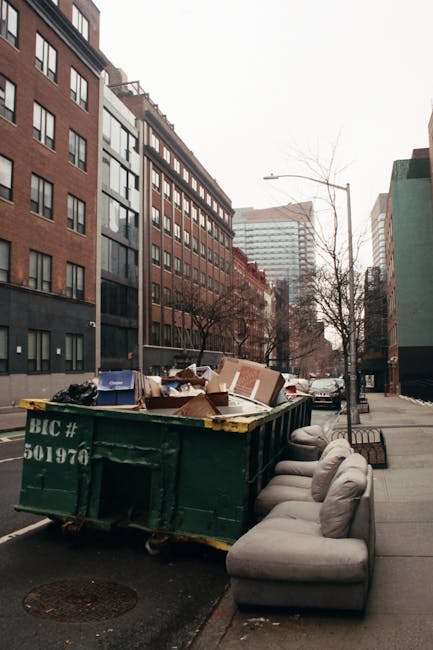
Office furniture removal is often the core of a clearance, because desks, task chairs, meeting tables, shelving and storage units usually take up the most space. These items can be bulky, mixed in condition and difficult to dismantle on site, so a methodical approach matters. We remove single items as well as fuller office setups, helping you clear room for refurbishment, downsizing or relocation without leaving awkward leftovers behind.
Some workplaces are also clearing items that have been replaced gradually rather than all at once, so the room may contain a mixture of old and current fittings. In those cases, it helps to separate what remains in use from what is ready for removal. Good preparation is simple: a brief list of the main furniture types, any items that should stay in place, and note of access points can make the quotation process more accurate and the clearance smoother.
What can be included in a furniture clearance
Furniture clearances can include reception seating, filing cabinets, cupboards, pedestal units, conference tables and office screens, as well as smaller loose items gathered from cupboards or under desks. Where pieces are suitable for reuse, refurbishment or recycling, they can be directed accordingly; where they are worn, broken or no longer practical, they can be removed for disposal. The right method depends on the condition, quantity and make-up of the load rather than on a fixed rule.
Office clearance planning for moves, refurbishments and closures
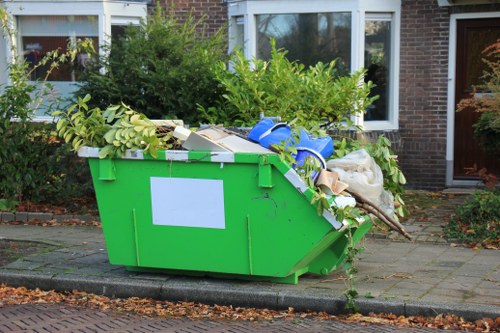
Clearance work often sits alongside a move, a change of use or a building project, so timing can be as important as the removal itself. We can work from a defined list of items or from a broader overview of the rooms involved, then shape the clearance around the sequence that makes sense for your site. That may mean clearing furniture first, then archived paperwork or remaining loose items, depending on how the space is being handed over.
When preparing a quotation, it helps to know whether the clearance is for one room, a floor, a suite or a larger office area, and whether there are stairs, lifts or narrow corridors to consider. Access details matter because they influence the time and labour involved. If you are arranging a wider workplace change, a short explanation of the rooms, the approximate volume and any access limits is usually enough to start the process.
Useful information to include in an enquiry
- the type of office items to be removed, such as desks, chairs, cabinets or archive boxes
- whether the work is part of a move, refurbishment, closure or routine tidying
- how many rooms or areas are involved
- any access issues, such as stairs, lift use or parking limitations
- items that must be kept separate from the clearance
Business waste removal and mixed office contents
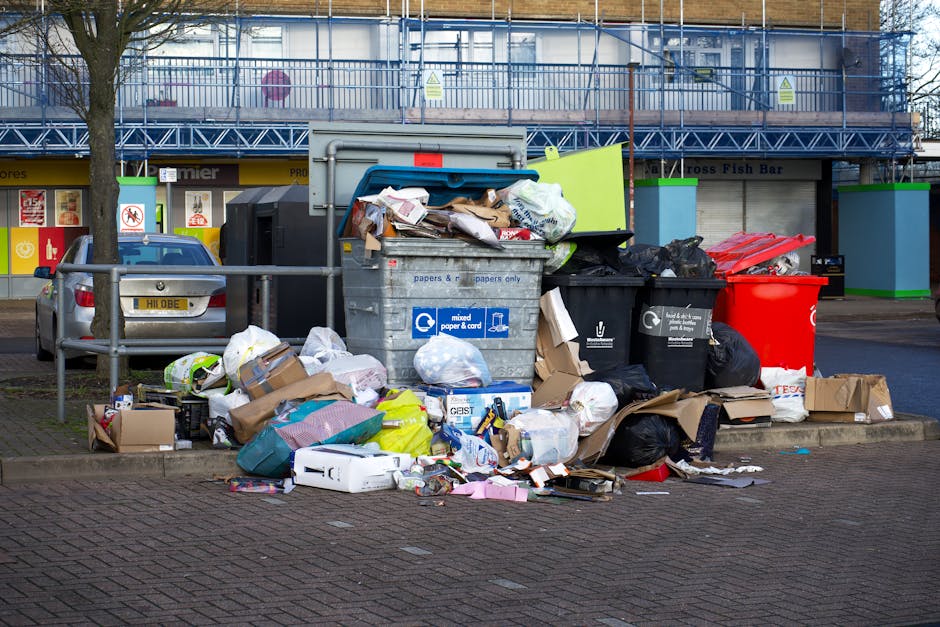
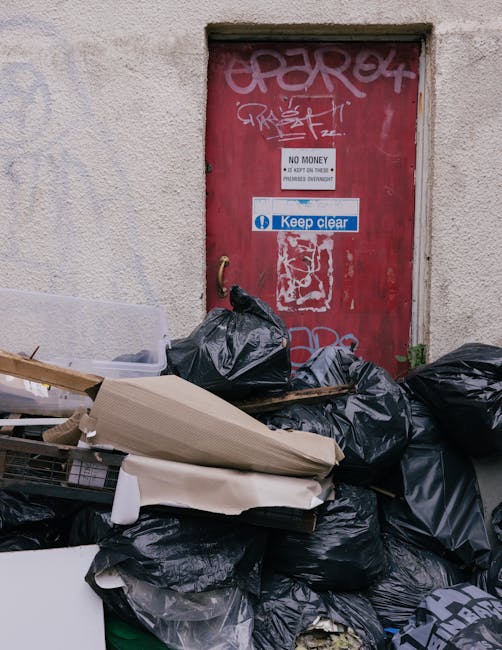
Not every office clearance is limited to furniture. Workplaces often need mixed business waste removed at the same time, including packaging, broken fixtures, dated equipment, storage materials and everyday clutter that has accumulated in corners or cupboards. A well-managed clearance keeps these categories organised so that items suited to reuse or recycling are not mixed unnecessarily with general waste. That makes the process easier to understand and easier to quote for.
Business waste removal may also involve items that are no longer part of the day-to-day office set-up but are not quite standard furniture either. Examples can include small fittings, shelving, display pieces, archive shelving or miscellaneous contents from back rooms. If the job includes varied materials, a short description of the contents is usually better than a guess, because the make-up of the load is one of the main factors affecting the scope of work.
Furniture disposal and reuse-led sorting

Furniture disposal should be handled with more care than simply moving everything into one pile. Office items can differ greatly in condition, and a good clearance service will make sensible decisions about what can be separated for reuse, what can be dismantled and what needs disposal. This is especially useful where a workplace has replaced a number of items in stages and wants the remaining removal to be done in a tidier, more responsible way.
We treat disposal as part of the clearance process rather than as an afterthought. That means the work can be planned around the furniture types involved, the room layout and any items that need to stay where they are. If you want to keep the request focused, a few details about quantities and item types are enough to help shape the job. For a fuller discussion of scope, it is sensible to ask for a quotation once the main contents are known.
Sorting practical office items from broken or surplus stock
Some office items are still serviceable, while others are no longer suitable for use because they are damaged, outdated or missing parts. The clearance process can take that difference into account. Reusable items may be set apart if the situation allows, while damaged pieces and mixed waste are handled with disposal in mind. This approach is helpful when the office contains a blend of working furniture, spares and outdated equipment that all need to be removed in one visit.
House, flat and home office clearances
Not every request is for a corporate suite. Some people need clearance support for a home office, a study, a spare room used for work or a smaller flat-based workspace. Those jobs still benefit from a careful approach, because desks, monitors, storage units and paperwork can be awkward to move through domestic layouts. We can handle home-based office contents as part of a broader property clearance or as a more focused room-by-room removal.
Home office clearances can be especially useful when work equipment has built up over time and the room needs to return to other domestic use. In those situations, the task is less about emptying an entire property and more about clearing specific work-related contents without disturbing the rest of the home. If you are planning a home-based clearance, it helps to note the room size, the main furniture items and whether there are fragile pieces that need extra care.
About Blackheath
Blackheath is a district in south-east London best known for its large open common, a historic green space that has long shaped the character of the area. The common stretches across a broad plateau and forms one of the most recognisable landscape features in this part of the capital. Its open setting contrasts with the surrounding streets and neighbourhoods, giving Blackheath a distinct sense of space that is unusual so close to central London. The name is commonly linked with the dark appearance of the heathland soil in earlier centuries, and the area’s history is reflected in its long relationship with travel routes, settlement and recreation. Blackheath station provides rail connections, while nearby Lewisham and Greenwich connect the district with the wider boroughs around it. The area also sits close to Greenwich Park, another major open landscape with strong historical associations. Around the heath itself, the built environment includes a mix of Georgian and later housing, local shops and public buildings, with Blackheath Village acting as a focal point for everyday life. The village has a recognisable centre with restaurants, independent businesses and transport links, while the broader district stretches towards neighbouring areas such as Lewisham, Kidbrooke and Greenwich. Blackheath is also associated with sport and community activity, with the open common used for walking, leisure and seasonal events. Its architecture and street pattern reflect the area’s development over time, combining older terraces with later residential streets and civic spaces. That blend of open land, urban streets and historic surroundings gives Blackheath a character that is both local and well connected to the wider city.
Office clearance for archive rooms and stored paperwork

Some offices need more than furniture removal because archive rooms, filing areas and storage cupboards can contain heavy boxes, old records and mixed materials that need sorting before anything can leave the site. An office clearance of this kind often begins with separating what should remain in the building from what is ready to go. Where items are being removed from a file room, the job can involve careful handling, stacking and attention to access so the work stays orderly.
Paper records and stored paperwork require a slightly different approach from furniture because the contents may be dense, repetitive and packed into shelving or boxes. It is useful to note whether the material is mostly boxed, loose, bagged or still on shelves. If the room also contains cabinets, shelving or other fixtures, that wider scope can be included in the quotation. A clear description of the storage area usually produces a clearer estimate than a very general request.
Working with stored contents and room-based clearances
Archive clearances may be straightforward or involve several layers of sorting, depending on how the room has been used. Some sites need only old files and empty boxes removed, while others have shelving, stationery, obsolete equipment and leftover furniture mixed together. The work can be adjusted to that mix, which is why a room-based description often helps more than a single item count. If there are contents that need to stay in place, they should be identified before the clearance begins.
Garages, lofts and storage areas linked to office use
Office clearances are not always confined to the main workplace. Some businesses and home-based operators store overflow items in garages, lofts or back rooms, especially when furniture, archive boxes or spare equipment have been kept for later use. These spaces often contain mixed contents that have been left for some time, so the work can include a combination of lifting, sorting and removal rather than a single type of load.
Garage and loft clearances connected to office use can involve seasonal stock, display materials, packaging, old files or redundant fixtures. The key issue is often not the name of the space but the variety of contents inside it. If an enquiry includes storage areas, it helps to mention whether there are low beams, ladders, awkward steps or tight access, as these details can affect how the work is planned and priced.
Quotation details and what affects the scope

The best quotations are based on a sensible picture of the job rather than a vague label. For office clearance work, that usually means the type of items involved, the number of areas to be cleared, the ease of access and whether any contents need to be handled separately. Furniture, business waste, archive material and mixed storage contents can all form part of the same job, but each brings its own handling and disposal considerations.
If you are ready to arrange the next step, a brief summary of the office contents is enough to begin. You can mention rooms, item types and any awkward access points, then ask for a quote in plain terms. Requesting a quotation does not need to be complicated, and a concise outline often works better than a long explanation. For a direct starting point, use our contact page to request a quotation.
What we can help you clarify before booking
Some customers already know exactly which items are going, while others only have a broad sense that the office needs clearing. In either case, it helps to define the scope first: desks, chairs, cabinets, stored paperwork, office equipment or a combination of these. If there are items of special size or condition, they should be mentioned so the clearance can be planned properly. Once the scope is clear, the quotation can be matched to the real work involved.
Recycling, disposal and responsible handling
Clearance work often creates a mixed load, so it is sensible to think about how different materials are separated and handled. Office furniture, metal components, paper, plastics and general contents can all appear in the same room, but they do not all need the same treatment. Where practical, items can be sorted to keep recyclable material apart from general waste and reusable pieces apart from damaged stock. That kind of organisation supports a tidier and more efficient clearance.
We also recognise that offices sometimes contain items that are no longer needed but still structurally sound. In those cases, the focus is on moving the right things to the right route rather than treating everything the same way. If your clearance includes a mix of office furniture, archive material and miscellaneous contents, it is worth saying so upfront. That allows the work to be planned in a sensible order and helps keep the overall process straightforward.
Final steps for arranging office clearance in Blackheath
Once the main contents are identified, the rest of the process is usually simple. You tell us what needs to be removed, which rooms or areas are involved and whether there are any access points or items that need special attention. We can then respond with a quotation based on the actual scope of the work. Keeping the request focused on the items and spaces involved makes it easier to give you a clear and relevant figure.
For many customers, the most helpful next step is to gather the room list, note the larger pieces and decide whether any furniture, paperwork or storage items should be kept back. That small amount of preparation can make the clearance easier to plan and the quotation easier to compare. If you are ready to move ahead, send the details through and ask for a quotation. We can then discuss the clearance in a way that fits the office and the contents you want removed.
Ready to get started?
If you need office clearance in Blackheath, the most practical way to begin is with a simple summary of the rooms and items involved. Use the contact page to request a quotation and let us know what needs clearing, and we will help you take the next step.