Event rubbish management for Blackheath Village fetes insider tips
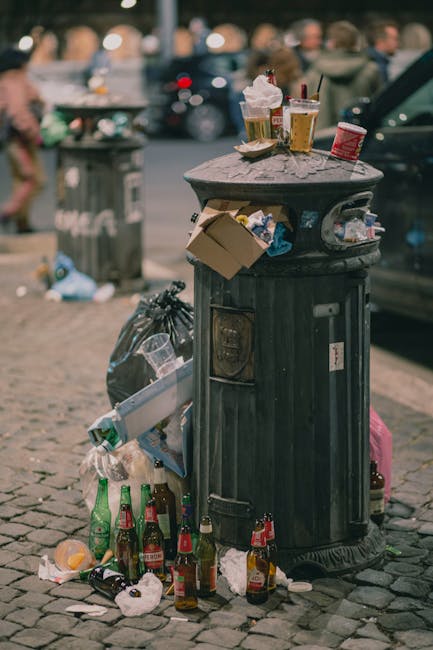
If you are helping run a village fete in Blackheath, you already know the messy bit is never just "the rubbish." It is the cake boxes, paper plates, broken crates, cable ties, food waste, drink cups, torn signage, and that awkward pile behind the tombola tent that somehow grows by the hour. Good event rubbish management for Blackheath Village fetes insider tips is really about keeping the whole day calm, tidy, safe, and respectful to the local setting.
Blackheath Village events tend to have a friendly, community feel, but that does not mean waste planning can be casual. The best fetes feel effortless because someone thought ahead: where bins go, who empties them, what gets recycled, what happens after pack-down, and how the site is left at the end. This guide walks through the practical side in plain English, with insider tips that actually help on the day, not just in theory.
Why Event rubbish management for Blackheath Village fetes insider tips Matters
A fete can look perfectly organised from the front and still be a headache behind the scenes. One overflowing bin near the tea stall, and suddenly you have litter blowing into walkways, queues slowing down, and volunteers doing awkward little rescue missions with carrier bags. Not ideal.
Waste control matters because it affects more than appearance. It shapes safety, flow, food hygiene, customer experience, and how the event is remembered. In a place like Blackheath Village, where people notice the details, a tidy footprint also shows respect for neighbours, traders, and the shared public space. Truth be told, people may not compliment your bin plan, but they will definitely notice when it is bad.
Good rubbish management also reduces the stress spike at pack-down time. If you have ever watched a tired team standing under fading evening light, trying to separate recycling from general waste while a gust of wind works against them, you will know the feeling. Planning early saves everyone a lot of grief.
For organisers, it can even help with budgeting. Better segregation means less contamination, more efficient collection, and fewer last-minute scrambles. If your fete includes food vendors, craft stalls, or equipment hire, the benefits multiply quickly. A tidy event is not just prettier; it is more efficient and, quite often, less expensive to clear.
How Event rubbish management for Blackheath Village fetes insider tips Works
At its simplest, event waste management follows a loop: predict, place, monitor, collect, separate, and clear. That sounds tidy on paper. On the ground, it means mapping where waste will be generated and making it easy for people to do the right thing without thinking too hard.
Here is the basic rhythm:
- Forecast the waste streams - food waste, cups, cardboard, plastic packaging, general litter, and any bulky items from marquees, stalls, or displays.
- Place bins where people actually need them - entrances, food areas, seating zones, and near high-traffic exits.
- Label clearly - a vague bin is a useless bin. People need simple visual guidance.
- Monitor during the event - volunteer bin-watchers or roaming stewards can prevent overflow before it starts.
- Remove waste in stages - do not wait for the last minute if you can avoid it.
- Final sweep and sign-off - check hidden corners, grass edges, tent ropes, and under tables.
The real insider tip is this: most waste problems happen where people pause, not where they pass through. Food queues, picnic spots, raffle tables, and drink stands are the hotspots. Put your best bins there, not just your nearest ones.
If the fete includes a small bar, a barbecue, or vendor catering, it helps to separate waste streams at source rather than trying to sort everything later. That is where services like business waste removal can be useful for organisers handling mixed commercial and event debris, especially when multiple suppliers are involved.
And once the event is over, a reliable waste removal plan means you are not leaving the cleanup to chance. For bulky leftovers, broken furniture, packaging, and overfilled sacks, that final stage matters more than people think.
Key Benefits and Practical Advantages
The upside of proper event rubbish management is not just "less mess." It changes the feel of the whole day. You can actually see it in the way guests move through the site. They linger a bit longer, queues feel calmer, and volunteers look less frantic. Small thing, big effect.
- Cleaner public spaces - especially important around village greens, paths, and entrances.
- Better crowd flow - bins placed well reduce bottlenecks.
- Improved food hygiene - less waste lying around stalls and seating areas.
- Stronger recycling outcomes - separate waste correctly and you avoid turning recyclable material into general rubbish.
- Less volunteer burnout - a clear waste system stops the same two people doing everything.
- Faster pack-down - because the mess has already been managed in stages.
There is also a reputational benefit. Community events rely on goodwill. If a fete leaves the area looking trashed, that memory sticks. If it is left neat, people are more likely to support the next one, donate again, or volunteer next year. That kind of trust is fragile, and worth protecting.
For bigger sites or mixed-use setups, it can be worth aligning the cleanup with other clearance needs. For example, if you have leftover staging, old display boards, or temporary seating to get rid of, checking the options for furniture disposal and furniture clearance can save time after pack-down. Not glamorous, but very practical.
Who This Is For and When It Makes Sense
This kind of planning is useful for just about anyone involved in a Blackheath Village fete, but the details change depending on your role. A stallholder, for instance, needs a different setup from a main organiser or site manager.
It makes sense if you are:
- running a village fete, school fair, summer festival, or charity market;
- managing food and drink stalls with multiple vendors;
- responsible for setting up and taking down marquees, gazebos, tables, or fencing;
- working with volunteers who need clear, simple instructions;
- trying to improve recycling or reduce litter complaints;
- dealing with limited access, tight turnaround times, or shared public space.
It also makes sense if your event is only "small" on paper. Small fetes can generate a surprising amount of waste because things are compact. A few hundred visitors, cups, napkins, food trays, and packaging can overwhelm two or three ordinary bins very quickly. Then suddenly you are improvising. And improvising is rarely tidy.
If your event is linked to a larger community clean-up, local business promotion, or seasonal display, it can help to think beyond the one day. A tidy event operation often overlaps with wider site clearance needs, such as garden clearance for outdoor areas or home clearance when storing event materials between uses. Different job, same basic principle: reduce clutter before it becomes a problem.
Step-by-Step Guidance
If you want the short version: plan it before the bunting goes up. Here is a practical sequence that works well for local events.
- Walk the site with a waste lens. Look for where people queue, sit, eat, and exit. Those are your waste points.
- Estimate the main waste streams. Food packaging, cardboard, glass, mixed litter, compostable waste, and bulky items.
- Assign bin types and locations. Keep bins visible, reachable, and easy to understand. If people have to walk too far, they won't.
- Brief volunteers and stallholders. Do not assume they know what goes where. A five-minute briefing saves an hour later.
- Set a collection schedule. Mid-event emptying is often the difference between controlled waste and total chaos.
- Keep spare liners, gloves, and ties close by. These little items disappear when you need them most. Funny how that works.
- Separate end-of-day waste into streams. Recyclables, general waste, food waste, and bulky items.
- Do a final perimeter sweep. Look under tables, behind stalls, along hedges, and around quiet corners.
- Arrange removal promptly. Don't let waste sit overnight unless there is no other safe option.
One useful clarification: if you are using temporary bins, they only work if someone owns them. "Someone" needs to empty them, relabel them if necessary, and notice when one stream is dominating another. A bin without oversight is basically a waste-shaped ornament.
Expert Tips for Better Results
This is the part people usually want, because the basics are obvious but the smooth-running bits are not. The following tips come from the kind of event organisation decisions that make the day feel easier without looking fancy.
Place bins where the queue naturally pauses
People are more likely to bin rubbish where they stop than where they walk. Put bins beside seating, exit routes, and refreshment areas. One bin at the far edge of a field is rarely enough, no matter how optimistic the plan looked on paper.
Use simple signage instead of clever wording
"Cans and bottles here" works better than a long explanation. "Food leftovers" is clearer than "organic matter." You are aiming for quick decisions, not a puzzle.
Overprovide liners
Bring more bin liners than you think you will need. Then add a few more. Wet waste, windy conditions, and heavy footfall all increase consumption. Nobody wants to be the person searching for the last clean bag while the queue at the ice cream stall grows behind them.
Keep a mini clean-up kit mobile
A trolley or crate with gloves, wipes, spare bags, tape, scissors, and hand sanitiser can rescue a problem area fast. It is boring kit. It works.
Watch the weather
Wind changes everything. A light breeze can turn napkins into confetti in five minutes flat. If the forecast looks breezy, secure lightweight waste points and avoid overfilling open containers.
Plan for the awkward items
Event rubbish is not always just rubbish. It may include broken chairs, damaged display boards, surplus decor, or old equipment. If a fete also uses temporary office materials, printed stock, or storage items, there may be a wider clearance job after the event. In those cases, something like office clearance or garage clearance can be surprisingly relevant, especially when equipment has been stored off-site.
And one more thing: nominate a single waste lead. Not a committee. One person. Events run better when responsibility is clear. Bit old-fashioned, maybe, but it works.
Common Mistakes to Avoid
The same issues crop up again and again, and they are usually avoidable.
- Too few bins - the classic mistake. People will not carry litter half a field away if they can help it.
- Poor bin placement - putting bins where staff can see them instead of where the public needs them.
- No one assigned to monitor overflow - waste management is active, not passive.
- Mixing food waste with recyclables - contamination can ruin a good recycling effort.
- Leaving all clearing until the end - then it becomes a much bigger job than necessary.
- Forgetting access routes - waste collection needs space, especially if vehicles are coming in and out.
- Ignoring bulky items - one broken bench or display frame can ruin an otherwise tidy site.
A subtle but important mistake is assuming volunteers will "just know" what to do. They won't, at least not on their first pass. Give them a one-page guide or a quick briefing. Keep it practical. No speeches, no overthinking.
Another one: do not let bins become hidden behind chairs, banners, or queue barriers. If people cannot see them, they may as well not exist.
Tools, Resources and Recommendations
You do not need a mountain of equipment to manage fete waste well, but you do need the right basics. In most cases, the useful kit is refreshingly ordinary.
- Clearly labelled bins for general waste, recycling, and food waste if applicable.
- Strong bin liners sized for the container and the expected weight.
- Colour-coded signage so people can sort quickly.
- Gloves and hand sanitiser for stewards and cleanup volunteers.
- Hand trolleys or sack trucks for moving heavy bags or boxed waste safely.
- Tarpaulins or covers if bins need weather protection.
- Reusable crates or containers for sorting and temporary storage.
For organisers dealing with recurring events, a simple site map with waste points marked on it is worth its weight in gold. Nothing complicated. Just a printed plan that shows bin locations, collection routes, and the person responsible for each zone. You can scribble changes on it as you go. Sometimes the old-school way is the easiest.
If the event generates mixed household-style clear-out material, perhaps from donated furniture, old storage pieces, or leftover fixtures, relevant support can also come from house clearance, flat clearance, or loft clearance when the issue is less about litter and more about clearing stored items efficiently.
When you are comparing service options, it is also sensible to look at practical details like pricing and quotes, plus how the provider approaches recycling and sustainability. Those two pages are the ones people often skip first and then regret later. Slightly annoying, but true.
Law, Compliance, Standards, or Best Practice
For any event in the UK, waste handling should be treated as a real operational duty, not a side job. The exact obligations can vary depending on the venue, waste type, and who is producing the waste, so organisers should always check the requirements that apply to their event and their location.
As a general best practice, keep the following in mind:
- Waste should be stored safely and collected in a way that does not create hazards for visitors or staff.
- Food-related waste should be managed carefully to reduce odour, pests, and hygiene issues.
- Mixed waste should be separated where possible to improve recycling outcomes.
- Anyone handling heavy bags or awkward items should be briefed on safe lifting and movement.
- Records, permissions, and collection arrangements should be kept clear so nothing gets missed at the end of the day.
If you are using an external clearance provider, it is sensible to check their stated health and safety policy and insurance and safety approach before you book. That is not over-cautious; it is just decent event planning.
For organisers who deal with payment terms or supplier trust, reviewing payment and security can help you understand how the provider handles booking and transaction details. And if you are the kind of organiser who likes to know who is behind the service, the about us page is often worth a look too.
Small note, because it matters: compliance is not only about avoiding problems. It is about showing that the event has been thought through properly. People relax when they can see that.
Options, Methods, or Comparison Table
There is more than one way to manage fete waste, and the right method depends on event size, traffic, and how much material you expect. Here is a simple comparison that may help.
| Method | Best for | Advantages | Watch-outs |
|---|---|---|---|
| Volunteer-managed bins | Small community fetes | Low cost, flexible, quick to set up | Relies heavily on good supervision and enough hands |
| Dedicated waste stations | Medium events with food stalls | Better sorting, clearer guest behaviour, less litter | Needs signage, monitoring, and a tidy layout |
| Staged collection with a clearance provider | Busy fetes or mixed waste loads | Less overflow, easier pack-down, fewer manual trips | Requires advance booking and clear access planning |
In practice, many events use a blend of the three. A small fete may start with volunteer-managed bins and finish with a single professional collection. A bigger one may need mid-event emptying as well. The key is matching the method to the mess you are likely to make, not the mess you hope to make. Slight difference, but an important one.
Case Study or Real-World Example
Imagine a Blackheath Village summer fete with stalls selling coffee, burgers, homemade cakes, and craft items. There is a small stage, a raffle table, and a seating area under trees. At first glance, it seems manageable with a few bins. But by mid-afternoon, the coffee cups are piling up, cake napkins are fluttering away, and the cardboard from deliveries is stacked awkwardly behind a gazebo.
What changes the outcome is not a heroic cleanup at the end. It is a simple system put in place from the start:
- bins placed near the refreshment queue and seating area;
- a volunteer checking bins every hour or so;
- cardboard separated at the vendor area rather than mixed in;
- one clear collection point for bulky items and broken packaging;
- a final sweep of the grass edge, hedge line, and tent entrances.
By pack-down, the site is still busy, but not chaotic. Nobody is hunting for stray bags in the dark. The tables are cleared, the rubbish is already sorted, and the last little bits are dealt with quickly. That is the kind of difference a bit of foresight makes.
It is rarely dramatic. Usually it is just calmer. And honestly, calmer is what you want on event day.
Practical Checklist
Use this as a pre-event and pack-down checklist. Keep it simple. Tick it off, do not reinvent it.
- Site walk completed with waste hotspots identified
- Bin types chosen for general, recyclable, and food-related waste
- Bins positioned near queues, seating, exits, and vendor clusters
- Clear signage prepared and legible from a short distance
- Volunteers briefed on what goes where
- Spare liners, gloves, and ties packed
- Overflow plan in place for busy periods
- Bulky items identified and isolated early
- Collection or removal booked in advance
- Final sweep planned for hidden corners and boundary edges
- Weather backup considered for wind or rain
- Safe lifting and moving arrangements agreed
Expert summary: The secret to good fete waste control is not having the most bins. It is having the right bins, in the right places, with one person actually watching the system work.
Conclusion
Event rubbish management for Blackheath Village fetes is one of those behind-the-scenes jobs that quietly shapes everything else. When it is done well, nobody thinks about it much. They just enjoy the stalls, chat near the tea tent, and leave with a good memory of the day. That is the whole point, really.
If you plan early, keep the setup simple, and treat waste as part of the event rather than an afterthought, you will avoid most of the common headaches. The site stays tidier, volunteers stay happier, and the final pack-down feels less like a rescue mission.
For events with mixed waste, bulky leftovers, or a need for practical post-event clearance, it is worth exploring the relevant support pages on the site and choosing the option that suits your setup best. A little preparation now can save a lot of faffing later. And who wants a last-minute faff, honestly?
Get a free quote today and see how much you can save.
When the bunting comes down and the last bin liner is tied, what people remember most is the atmosphere you created. Leave the space clean, and the whole day feels a bit brighter.
Frequently Asked Questions
What is the best way to manage rubbish at a village fete?
The best approach is to plan for waste before the event begins: place bins where people naturally gather, label them clearly, monitor them during the day, and arrange prompt final collection after pack-down.
How many bins do I need for a Blackheath Village fete?
There is no single rule that fits every event. A small fete may need a handful of well-placed bins, while a busier event with food stalls and seating areas will need more. The key is to match bin capacity to footfall and food traffic.
Should I separate recycling at an event?
Yes, where practical. Separate recycling helps reduce contamination and makes the cleanup more efficient. Simple labels and visible bin stations usually work better than complicated sorting instructions.
What waste causes the most problems at fetes?
Food packaging, drink cups, napkins, cardboard, and mixed litter tend to build up fastest. Bulky items from stalls or displays can also become a problem if they are not handled early.
Can volunteers handle event rubbish management on their own?
They can manage a small event, but they need clear roles, enough supplies, and a simple plan. For larger or busier fetes, it often helps to combine volunteers with professional removal support.
How do I stop bins overflowing during the event?
Use enough bins, place them in the right spots, and check them regularly. Overflow is usually a sign that the waste point is either too small, too hidden, or not being emptied often enough.
What should I do with bulky leftovers after the fete?
Separate bulky items from everyday litter as early as possible. Keep them in one clear area and arrange suitable clearance for chairs, boards, crates, or broken equipment rather than trying to force them into standard bins.
Is professional waste removal worth it for a small fete?
Often, yes. Even small events can generate more waste than expected, especially if food and drinks are involved. Professional support can make pack-down faster and reduce the load on volunteers.
What should be included in a waste plan for an outdoor event?
A waste plan should cover bin locations, waste types, who is responsible for monitoring, when collections happen, how bulky items are handled, and what happens if the weather changes.
How early should I arrange waste collection?
As early as possible. Waste collection is one of those things that becomes much harder to sort out at the last minute, especially if your event has a strict finish time or limited vehicle access.
What is the most common mistake organisers make?
The most common mistake is underestimating how much waste a small crowd can produce. The second is placing bins where organisers prefer them, not where the public actually needs them.
How can I make the cleanup feel less stressful?
Break it into small jobs: assign people, empty bins in stages, keep a final sweep route, and deal with bulky waste separately. A calm, orderly finish is almost always the result of a calm, orderly plan.