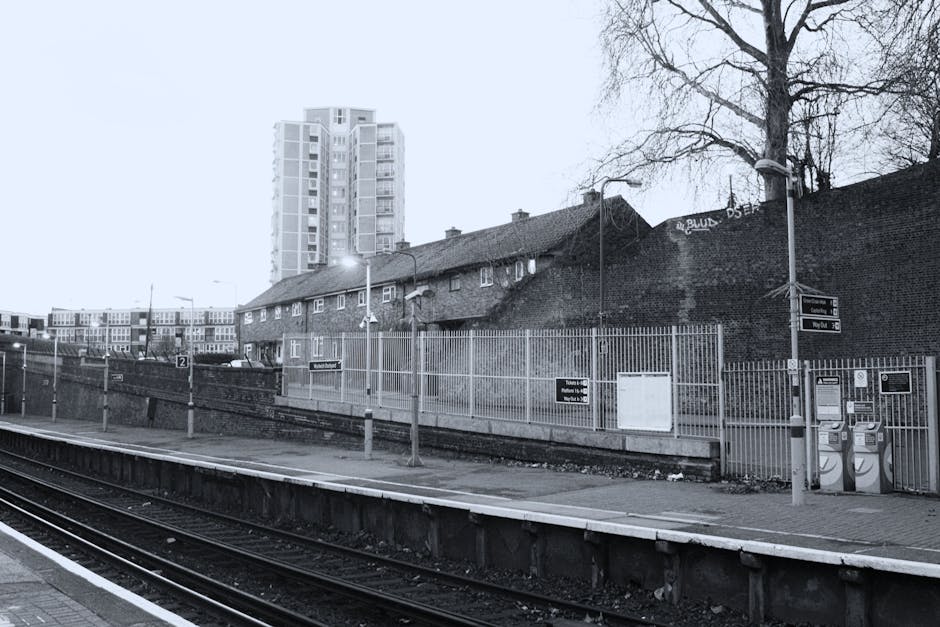
Flat Clear-Out Guide for Blackheath Station Residents
If you live near Blackheath Station, a flat clear-out can feel simple on paper and awkward in real life. There are stairs, narrow hallways, parking limits, neighbours to consider, and usually more items than you expected once you start opening cupboards. This guide walks you through the process in plain English, so you can clear a flat efficiently without creating extra stress, damage, or last-minute surprises.
Whether you are moving out, handling a bereavement, preparing a rental property, downsizing, or just reclaiming space from years of accumulated furniture and clutter, the aim is the same: make the clear-out organised, safe, and as hassle-free as possible. You will find practical steps, realistic decision points, local considerations, and a sensible comparison of your options.
For readers who want a professional service route, it helps to know what a specialist clearance company typically handles. You can also explore the wider flat clearance service in Blackheath, review the company's recycling and sustainability approach, or check the pricing and quote process before you decide how to proceed.
Table of Contents
- Why this guide matters
- How a flat clear-out works
- Key benefits and practical advantages
- Who this is for and when it makes sense
- Step-by-step guidance
- Expert tips for better results
- Common mistakes to avoid
- Tools, resources and recommendations
- Law, compliance and best practice
- Options and comparison table
- Case study or real-world example
- Practical checklist
- Conclusion
- Frequently asked questions
Why Flat Clear-Out Guide for Blackheath Station Residents Matters
Flat clear-outs in and around Blackheath Station tend to be more involved than people expect. A one-bedroom flat can still contain bulky furniture, mixed household waste, forgotten storage items, old electronics, and bags that have been sitting untouched for months. Once you factor in the realities of a busy residential area, the task becomes more than simple tidying.
Timing matters too. If you are working to a tenancy end date, estate agent photos, a probate schedule, or a completion deadline, delays can become expensive or inconvenient very quickly. A well-planned flat clearance helps you avoid rushed decisions, missed bins, awkward access issues, and repeated trips to the tip. It also gives you more control over what is reused, donated, recycled, or removed as waste.
There is another reason this matters: a clear-out done badly can create friction with neighbours, block communal areas, or leave a property in a condition that slows handover. In apartment buildings, that kind of knock-on effect is rarely worth the risk. A calm, methodical plan usually saves time in the end. Truth be told, it also saves energy, and that counts for a lot.
Practical takeaway: A flat clear-out is not just about removing items. It is about managing access, sorting responsibly, protecting the property, and finishing with a space that is ready for its next use.
If your flat includes a lot of furniture or mixed household items, it can help to look at related services such as furniture clearance, furniture disposal, or a broader home clearance service if the job extends beyond one room or one category of item.
How Flat Clear-Out Guide for Blackheath Station Residents Works
At a practical level, a flat clear-out follows a straightforward pattern: assess, sort, remove, and finish. The real work is in the detail between those steps. A professional approach usually begins with a quick review of the property, the volume of items, access points, and any special handling needs such as heavy wardrobes, white goods, or fragile belongings.
For residents near Blackheath Station, access planning can be especially important. Is there permit-only parking nearby? Are there stairs, lifts, or tight communal corridors? Will you need to protect walls and flooring while moving bulky items? These are small questions, but they shape the whole job. The smoother the access, the quicker and safer the clear-out tends to be.
Items are normally separated into broad categories:
- Reusable items that can be kept, sold, gifted, or donated
- Recyclable items such as metals, certain plastics, cardboard, and some electricals
- General waste that cannot be reused or recycled
- Special items that need extra care, such as mattresses, fridges, or hazardous materials
In many cases, the best outcome comes from a hybrid approach. You may remove some things yourself, use local donation routes for usable goods, and arrange a professional collection for the bulky remainder. If you prefer a one-stop solution, a trusted team offering waste removal can handle the lifting, loading, and disposal for you.
Professional providers should also be clear about safety, handling, and insurance. That is especially relevant in flats where lifts, shared entrances, and communal spaces increase the chance of accidental damage if moving is not done properly. A responsible service should explain these points upfront, not after the fact. You can review their insurance and safety information and health and safety policy for added reassurance.
Key Benefits and Practical Advantages
A structured flat clear-out does more than create empty floor space. Done well, it solves a short-term problem and reduces future work. For Blackheath Station residents, the benefits are often practical rather than dramatic, but they are very real.
1. Faster property turnaround
If you are moving, selling, or preparing a rental for inspection, a clear-out speeds everything up. Estate agents, landlords, and cleaners can do their work sooner when rooms are empty and access is open.
2. Less physical strain
Dragging a heavy sofa down stairs or trying to fit broken furniture into a car is tiring and, frankly, a bit of a false economy. A proper clearance approach reduces the risk of back strain, trips, damaged walls, and improvised lifting disasters. We have all seen a sofa that looked lighter before the move.
3. Better recycling and reuse
A good clear-out gives useful items a second life where possible. That can mean furniture reuse, appliance recycling, or separating materials for proper disposal. For environmentally conscious residents, this is often just as important as speed.
4. Cleaner handover conditions
Leaving a flat in a tidy, empty condition reduces the chance of disputes, call-backs, or delayed sign-off. It is especially useful for end-of-tenancy situations, probate properties, and pre-sale preparation.
5. More predictable costs
Once you know what needs to go, you can make better choices about labour, transport, disposal, and timing. That usually leads to a more accurate quote and fewer surprises on the day. If you want to understand service pricing before committing, the company's pricing and quotes page is a sensible place to start.
Who This Is For and When It Makes Sense
This guide is relevant to a wide range of Blackheath Station residents, not just people dealing with a full property emptying. In fact, many clear-outs are partial rather than complete, and that is often where people underestimate the effort involved.
You may need a flat clear-out if you are:
- moving out of a rented flat
- downsizing to a smaller property
- managing a bereavement or probate clearance
- preparing a flat for sale or letting
- clearing a cluttered spare room or storage-heavy flat
- getting rid of old furniture after an upgrade
- dealing with builder's debris after light refurbishment
It also makes sense if your time is limited. Residents working long hours often discover that a "weekend job" becomes a month-long project when sorting, packing, and disposal are all handled separately. If the task is going to drag on and interrupt normal life, professional help can be a sensible shortcut.
For smaller but still awkward jobs, a targeted approach may be enough. For example, if the main issue is a couple of large items, the relevant route might be furniture disposal rather than a full flat clearance. If you are clearing additional household spaces at the same time, services such as loft clearance or garage clearance may also be useful.
Step-by-Step Guidance
A flat clear-out works best when you treat it like a simple project, not an emotional scramble. A structured plan removes guesswork and keeps decisions manageable.
Step 1: Decide what the end goal is
Start by defining the outcome. Are you leaving the flat empty? Clearing only bulky items? Preparing for cleaning? Reaching a landlord inspection standard? The clearer the target, the easier it is to make decisions quickly.
Step 2: Walk through every room
Do a slow walkthrough and note everything that needs attention. Look inside cupboards, under beds, in hallway storage, and on balconies if relevant. Small hidden piles tend to become the biggest time drain later.
Step 3: Sort items into clear categories
Use simple labels such as keep, donate, recycle, remove, and unsure. "Unsure" is useful because it stops you from freezing over one item while the rest of the room stalls. You can come back to it after the obvious decisions are done.
Step 4: Identify bulky, awkward, or sensitive items
Make special note of heavy sofas, wardrobes, mattresses, appliances, and anything fragile or hazardous. This is where access planning matters. A large chest of drawers can be a breeze in an empty lift lobby and a headache on a narrow staircase.
Step 5: Decide what can be reused or donated
Good-quality items do not need to go straight to waste. If there is time, separate usable furniture, books, kitchenware, and textiles. Even a small amount of reuse can reduce disposal volume and make the clear-out feel more worthwhile.
Step 6: Book the right removal method
Choose the method that matches the volume, access, and deadline. A small amount of waste might suit a collection-only solution. A full flat with multiple bulky items usually benefits from a team that can load, carry, and clear in one visit. If the job is mixed or substantial, it may be worth comparing house clearance and home clearance options to see which is the better fit.
Step 7: Prepare the flat and building access
Clear paths, reserve parking where necessary, notify the building manager if required, and protect floors if you are moving items yourself. A few minutes of prep can save a lot of friction on the day.
Step 8: Complete a final sweep
Once the property is cleared, check cupboards, wardrobes, utility areas, behind doors, and the balcony if there is one. This final sweep catches the classic forgotten items: chargers, keys, half-used tins, and the random remote control nobody seems to own.
Expert Tips for Better Results
Small details make a big difference in flat clear-outs. In our experience, the smoothest jobs are rarely the ones with the fewest items; they are the ones with the best preparation.
- Start with the hardest room first. If the bedroom or storage area is packed, tackle it early while your decision-making is fresh.
- Keep pathways open. Do not build sorted piles in corridors. In a flat, space disappears quickly and access matters.
- Photograph items before disposal if needed. This can be useful for landlords, executors, or anyone who wants a record of what was removed.
- Separate electricals from general waste. Electronics and appliances often need different handling, so avoid bundling them blindly into one pile.
- Be realistic about time. A two-hour estimate can become a half-day if there are stairs, fragile items, or lots of sorting.
- Ask about recycling routes. A reputable service should be able to explain how they manage reuse and disposal. You can also look at a provider's recycling and sustainability commitments.
Another useful habit is to decide early what not to overthink. If you keep pausing over every old lamp or duplicate side table, the process slows down and motivation drops. A clear-out is easier when the rules are simple.
If your project includes other clearance needs, a provider with related services such as builders waste clearance can be helpful after decorating or light renovation work. That way, the flat ends up empty and tidy rather than merely moved from one type of clutter to another.
Common Mistakes to Avoid
Most problems in flat clear-outs come from underestimating one of three things: time, access, or volume. The good news is that all three are manageable when you know what to watch for.
Leaving sorting until the day of removal
If everything is left in one mixed pile, the process slows down and the wrong items may be treated as waste. Sorting in advance makes it easier to separate reusable items from general rubbish.
Ignoring access restrictions
Parking, lift size, building rules, and neighbour access all matter. If a vehicle cannot park nearby, or if the lift is too small for larger furniture, the job becomes slower and more expensive.
Assuming every item can go together
Mattresses, appliances, certain electronics, and some household materials may need different disposal handling. Mixing everything into one load can create avoidable delays.
Underestimating the emotional side
Bereavement clearances and long-term home clear-outs can be emotionally draining. It is normal to need more time than expected. Rushing can lead to regretted decisions or missed belongings.
Forgetting the building and neighbours
Large items moved through communal spaces can create noise, scuffs, and inconvenience. A respectful plan keeps the process tidy and avoids complaints.
Choosing service purely on price
Cheap is not always best if it means poor communication, no insurance clarity, or weak recycling practice. A good quote should feel transparent, not mysterious. If anything seems too vague, ask questions. That is not being fussy; it is being sensible.
Tools, Resources and Recommendations
You do not need specialist equipment to organise a flat clear-out, but the right basics help a great deal. For a do-it-yourself sort, useful items include sturdy bags, gloves, tape, labels, marker pens, and a trolley or sack truck if heavy items are involved. A phone camera is also handy for keeping a quick record of what is going where.
If you are planning a more extensive clear-out, consider the following resources:
- Sticky labels or coloured tape for marking keep, donate, recycle, and remove piles
- Furniture blankets or floor protection if items need to be moved through tight spaces
- Cardboard boxes for loose belongings, cables, and small household items
- A simple checklist to avoid forgotten cupboards and storage spots
- Contact details for a local clearance team if the job becomes larger than expected
For readers who want a professional route, it is sensible to check the company's wider service pages too. A broad office clearance page may be useful if the property doubles as a work-from-home base with equipment to remove, while the main Blackheath clearance service homepage can help you navigate to the most relevant service quickly.
It is also worth reviewing the service terms before booking. Details such as cancellation, payment, and service scope matter more than most people think. For that reason, pages like terms and conditions, payment and security, and complaints procedure are useful signs of a well-run provider.
Law, Compliance, Standards, or Best Practice
Flat clear-outs are not just a logistics issue; they also involve responsible disposal and safe handling. In the UK, households and service providers are expected to manage waste appropriately and avoid fly-tipping or unsafe dumping. If you are arranging clearance, it is wise to use a business that can explain where items go, how recyclable materials are separated, and how they handle regulated waste streams when relevant.
You do not need to become a waste law expert to book a clearance, but you should expect basic compliance and professionalism. Good practice usually includes:
- clear identification of what will be removed
- safe lifting and transport methods
- appropriate insurance
- reasonable care for the property and communal areas
- responsible recycling or disposal routes
Where electrical items, large appliances, or potentially hazardous materials are involved, best practice becomes even more important. Ask how those items are handled rather than assuming they will be treated the same as ordinary household waste. If you want a provider that openly addresses these issues, review their insurance and safety and health and safety policy information.
There is also a customer-service angle to compliance. A professional company should communicate clearly, offer accessible information, and handle queries properly. Those are small signs, but they usually reflect the way the rest of the work will be managed. For broader trust signals, pages such as about us and accessibility statement can be helpful.
Options, Methods, or Comparison Table
Not every flat clear-out needs the same solution. The right method depends on time, volume, access, and how much sorting you want to do yourself. The table below gives a practical comparison.
| Option | Best for | Pros | Limitations |
|---|---|---|---|
| Self-clear-out | Small volumes and plenty of time | Lowest direct cost, full control over sorting | Time-consuming, physically demanding, transport needed |
| Partial DIY plus collection | Mixed jobs with a few bulky items | Good balance of cost and convenience | Requires planning and separate disposal steps |
| Professional flat clearance | Full clear-outs, deadlines, heavy items, limited access | Fast, efficient, less stress, loading included | Usually more expensive than doing everything yourself |
| Specialist furniture removal | Mainly sofas, beds, wardrobes, or mixed bulky furniture | Ideal when furniture is the main issue | May not cover all household waste |
If the flat contains mostly furniture, a dedicated furniture clearance route may be enough. If the whole property needs emptying, a broader clearance service is usually the better fit. The trick is to match the service to the actual job, not the other way around.
Case Study or Real-World Example
Consider a typical Blackheath Station flat: one bedroom, a small reception room, kitchen items, a wardrobe, a bed frame, a sofa, a coffee table, old boxes, and a few bags stored in a cupboard. On paper, it looks manageable. In reality, the wardrobe does not fit down the stairwell in one piece, the sofa needs careful handling through a tight hallway, and the boxes contain a mix of keep, donate, and unwanted items.
The resident begins by separating essentials from the rest. Important documents, sentimental items, chargers, and personal effects are set aside first. Next, items suitable for reuse are grouped together. Broken or outdated items are identified for removal. After that, a collection is arranged so the heavy lifting is handled in one visit instead of several tiring trips.
What changed the outcome was not luck. It was sequence. The resident made a few decisions early, avoided moving clutter from one room to another, and chose the right level of help for bulky furniture. The flat was cleared without damage to walls or communal spaces, and the end result was clean enough for photography and handover.
This is a common pattern. The successful clear-out is usually the one that looks slightly boring from the outside. And that is exactly what you want.
Practical Checklist
Use this checklist to keep the clear-out on track.
- Define the final goal for the flat
- Walk through every room and storage area
- Sort items into keep, donate, recycle, remove, and unsure
- Identify bulky or fragile items early
- Check access, parking, and building rules
- Protect communal areas if anything is being moved by hand
- Set aside documents, valuables, and personal items
- Confirm what the service will and will not remove
- Ask about recycling, disposal, and insurance
- Do a final sweep of cupboards, shelves, and hidden corners
- Take photos if you need a record of the finished state
Quick sanity check: if the clear-out feels bigger than a single car load, or if you are facing stairs, deadlines, or heavy furniture, it is probably time to bring in professional help.
If you are ready to move from planning to action, you can speak directly with the team through the contact page or review the main company site for the most relevant service options.
Get a free quote today and see how much you can save.
Conclusion
A flat clear-out near Blackheath Station does not need to be chaotic. With a clear plan, sensible sorting, and the right level of support, you can empty a flat efficiently while protecting the property, respecting neighbours, and keeping disposal responsible.
The most important thing is to choose the right method for the job. Small, simple clear-outs can often be managed with some DIY effort. Larger, deadline-driven, or furniture-heavy projects usually benefit from professional clearance support. Either way, the goal is the same: a clean finish and a process that does not consume your whole week.
If you want to avoid the usual pitfalls and make the next step easier, start with a clear inventory, check access, and get a quote based on the real volume of items. That one decision alone tends to simplify everything that follows.
Frequently Asked Questions
How long does a flat clear-out usually take?
It depends on the size of the flat, the amount of furniture, and how much sorting has already been done. A small, well-prepared flat may take only a few hours, while a larger or heavily cluttered property can take longer.
Can I clear out a flat myself, or do I need a professional service?
You can do it yourself if the item count is low, access is easy, and you have time and transport. If there are bulky items, stairs, time pressure, or safety concerns, a professional service is usually the easier option.
What happens to furniture during a clearance?
Usable furniture may be set aside for reuse, while damaged or unwanted items are usually removed for disposal or recycling where possible. The handling depends on the item type and condition.
Do I need to be present during the clear-out?
Often yes, especially at the start, so you can confirm what stays and what goes. In some cases, once instructions are agreed, the work can proceed without you being there, but that depends on the arrangement.
How should I prepare a Blackheath flat before the clearance team arrives?
Keep pathways clear, separate valuables and personal documents, identify anything that must stay, and make sure access details are correct. If parking or building entry is tricky, flag that early.
Is there a difference between flat clearance and furniture clearance?
Yes. Flat clearance usually refers to clearing most or all contents from a flat, while furniture clearance focuses mainly on bulky items such as beds, sofas, wardrobes, and tables.
What if I only have a few items to remove?
If the job is small, you may not need a full clearance. A targeted collection or furniture disposal service can be more practical and cost-effective.
How do I know if a clearance company is trustworthy?
Look for clear pricing, insurance information, sensible communication, and straightforward policies. Pages such as terms, safety, and complaints should be easy to find and understand.
Can a clearance service handle waste after light DIY or decorating work?
Yes, some providers also handle builders waste clearance. That can be helpful if the flat clear-out is happening alongside small renovation or decorating work.
What should I do with electrical items and appliances?
Separate them from general waste and ask how they will be handled. Some appliances and electricals need different treatment from ordinary household rubbish.
Is it better to clear a flat before or after cleaning?
Usually before. Emptying the space first makes deep cleaning easier and allows cleaners to reach corners, skirting boards, and hidden surfaces.
Can I book a service if the flat is in a managed building with restrictions?
Yes, but you should tell the company about any access rules, lift limitations, parking restrictions, or permit requirements in advance. That helps avoid delays on the day.