Rubbish removal for listed buildings Blackheath conservation area rules
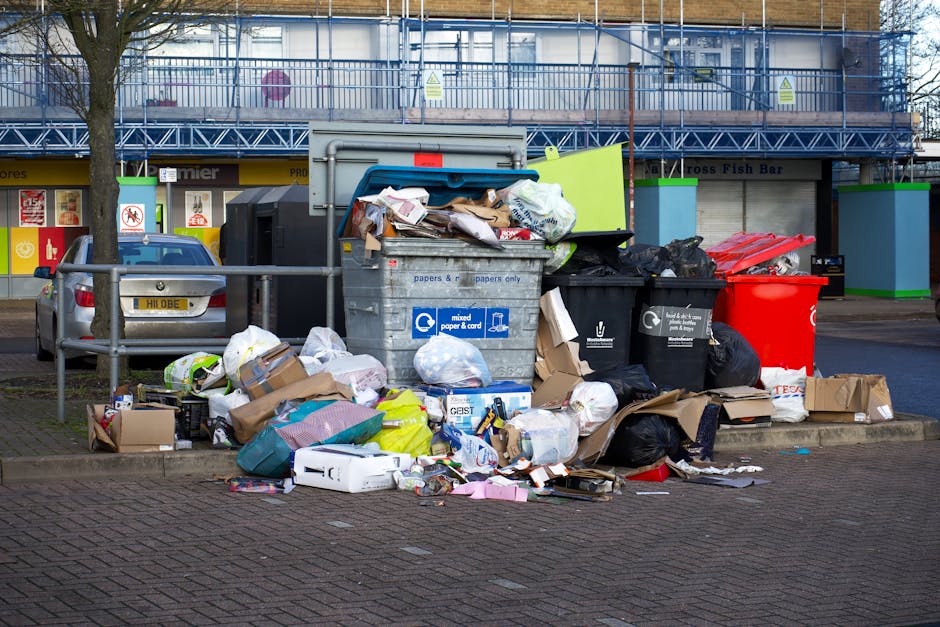
If you live or work in a listed building in Blackheath, rubbish removal is rarely as simple as putting bags out and hoping for the best. Conservation area rules, access limits, delicate finishes, shared entrances, and the need to avoid damage all change the way clearance has to be done. Rubbish removal for listed buildings Blackheath conservation area rules is really about doing the job cleanly, quietly, and with proper care for the building and the street around it.
That matters more than people expect. A quick, careless clearance can lead to scuffed floors, blocked pavements, avoidable complaints, or a knock-on issue with the local authority if the property's character is harmed. On the other hand, a well-planned removal keeps the place tidy, respects the setting, and makes the whole process much less stressful. Let's face it, nobody wants a skip sitting awkwardly outside a terrace in Blackheath while neighbours look on and wonder what on earth is going on.
This guide explains how rubbish removal works in listed buildings and conservation areas, what to watch for, how to avoid common mistakes, and how to choose the right method for the space you're dealing with.
Why Rubbish removal for listed buildings Blackheath conservation area rules Matters
Blackheath has a very particular feel. You notice it in the tree-lined streets, the period facades, the railings, the old brickwork, and the way one building seems to sit carefully beside the next. In a conservation area, the outward appearance of a property is not just decorative; it is part of what the area is meant to protect. If the building is also listed, the threshold for care is even higher.
That is why rubbish removal in this context is not just a logistics task. It is a planning, access, and protection task too. A bin lorry, a bulky waste crew, or a clearance team may need to consider narrow access, floor protection, parking limits, shared entrances, and the risk of disturbing original features. A careless approach can leave marks that are expensive to put right. Sometimes the small things matter most: a heavy chair dragged across old floorboards, a metal skip lip scraping a paving stone, or bags stacked where they block sightlines and passers-by have to shuffle around them.
There is also a neighbour factor. Conservation areas often sit within dense, lived-in streets. Noise, dust, and temporary obstruction can quickly become a nuisance if the job is not planned properly. You want the clearance to look calm from the outside, even if the inside feels like organised chaos for a few hours. That calm is part of the job.
Expert takeaway: In a listed building or conservation area, the right rubbish removal method protects the property, reduces complaints, and lowers the chance of costly mistakes. The goal is not just to remove waste, but to do it in a way that respects the building and the street.
How Rubbish removal for listed buildings Blackheath conservation area rules Works
In practical terms, rubbish removal for a listed property in Blackheath usually starts with a site review. The team needs to understand what is being removed, where it is located, how it can be carried out, and whether anything about the building needs special handling. That might sound obvious, but with period homes and older commercial premises, the obvious route is not always the safest one.
The process usually includes a few core checks:
- Access: staircases, narrow halls, tight front steps, side entrances, shared courtyards, and parking availability.
- Surface protection: floor runners, corner guards, and careful carrying techniques to protect original finishes.
- Waste type: general household waste, furniture, garden waste, builders' rubble, office waste, or mixed clearance items.
- Timing: choosing a slot that causes the least disturbance to neighbours and residents.
- Permissions: whether any external placement, temporary storage, or access arrangement needs checking before the job begins.
In conservation area settings, the real issue is often not the waste itself but how the removal affects the building and streetscape. If a property is listed, extra caution is sensible around fixed fabric: original doors, bannisters, stone thresholds, decorative plaster, sash windows, and anything that cannot easily be replaced. To be fair, most problems happen when teams rush the carry-out stage. The bins and bags are easy; the corners, stairs, and awkward turnings are where the day can go sideways.
For larger or mixed clearances, a staged approach is usually best. Remove the easy items first, then deal with fragile or heavy pieces once routes are clear. That reduces the chance of bumping something important while trying to get a sofa past a radiator or a wardrobe down a tight stairwell. Small detail, big difference.
Key Benefits and Practical Advantages
There are obvious benefits to a careful rubbish removal service, but the less obvious ones matter just as much in a place like Blackheath.
- Less risk to the property: Protective handling reduces scuffs, chips, and accidental damage.
- Better neighbour relations: A tidy, quiet removal is far less likely to cause friction in close-knit streets.
- Cleaner compliance: Following the right process helps avoid issues linked to unauthorised waste placement or poor disposal practice.
- Faster completion: Good planning usually saves time, especially in difficult access properties.
- More reliable disposal: Waste can be separated more effectively for recycling, reuse, or responsible disposal.
There is also a peace-of-mind benefit. If you are clearing a family home, preparing a rental, sorting an inherited property, or tidying a work unit, the mental load can be surprisingly heavy. A good team takes a chunk of that pressure off your shoulders. You get the place back into shape without having to micromanage every bag and box.
For landlords and property managers, the practical advantage is continuity. A smooth clearance can help a property move on to the next stage faster, whether that means decorating, letting, refurbishment, or sale. For owners of listed homes, the benefit is a bit more personal: the building stays respected, not treated like a skip with walls.
Who This Is For and When It Makes Sense
This kind of rubbish removal is useful for a wide range of people, and not just people doing a big renovation. In fact, smaller clearances are often the ones where care gets overlooked.
You may need it if you are:
- clearing a listed house after a tenancy ends
- removing old furniture from a period flat
- emptying a loft, basement, or garage in a conservation area
- dealing with post-refurbishment debris
- preparing a property for sale or probate
- refreshing an office or small business premises in Blackheath
- tidying outdoor waste without disturbing boundary features or planting
It also makes sense when you have mixed waste. A typical clear-out might include cardboard, broken chairs, old carpets, unwanted appliances, and a few awkward bits that nobody wants to deal with. That is where experienced clearance support becomes useful. It is not glamorous work. But then, waste rarely is. The job is to make the mess disappear without creating three new problems in the process.
If the property is especially sensitive, or if there are access constraints, you should think about the project before you start moving things. That can save you from discovering, halfway down the stairs, that the wardrobe simply will not turn. We have all seen that moment. It is never elegant.
Step-by-Step Guidance
Here is a practical way to approach rubbish removal in a listed building or conservation area property in Blackheath.
1. Identify what needs to go
Make a rough inventory first. Separate items into categories such as bulky furniture, general rubbish, recyclables, electrical items, garden waste, and construction debris. This helps you decide the best removal method and avoids overpaying for a more heavy-duty service than you need.
2. Check the property layout
Look at entrances, stairs, hallways, parking, shared spaces, and any fragile surfaces. If the building has narrow access or original materials, note that early. A quick walk-through with photos can be very helpful, especially if someone else is arranging the clearance.
3. Think about permissions and constraints
In a conservation area, anything that affects the exterior, frontage, or street presence deserves attention. If you are unsure about what can be placed where, or whether a temporary arrangement might cause issues, check before the removal date rather than after. That's the safer way round, obviously, though people still get caught out.
4. Choose the right collection method
For some jobs, a man-and-van style clearance is ideal because waste can be loaded directly and removed promptly. For others, a more structured builders' waste clearance or furniture clearance approach is better. The best choice depends on volume, urgency, access, and the type of waste involved.
5. Protect the route
Use floor protection, pads, and sensible lifting techniques. This matters a lot in period homes. Old timber, stone thresholds, and ornate plasterwork do not forgive sloppy handling. One awkward turn can be enough to leave a lasting mark.
6. Load systematically
Heavy items should be taken out safely and in the right order. Fragile items should be separated early. Mixed waste should be sorted as much as possible for cleaner disposal. A tidy load is easier to manage and often more efficient overall.
7. Finish with a careful check
Once the rubbish is gone, check for missed items, dust, or residue around doorways and steps. In a listed or conservation setting, the "after" stage matters almost as much as the removal itself. A property should be left neat, not merely empty.
Practical note: If the project feels too complex to do in one pass, break it into rooms or zones. That simple trick cuts mistakes and makes the work feel more controlled.
Expert Tips for Better Results
A few small decisions can make a big difference when you are handling rubbish in a sensitive Blackheath property.
- Photograph vulnerable areas first. If there is a dispute later about damage, you have a clear before-and-after record.
- Label items that must stay. In a busy house, it is easy for a "keep" pile and a "remove" pile to get crossed. Happens all the time.
- Use the shortest safe route. The fewer corners and handovers, the less chance of knocking something.
- Clear one room at a time. This keeps the process organised and reduces decision fatigue.
- Choose quieter times if possible. Early morning or a calmer mid-week slot can be easier in residential streets.
- Ask about reuse or recycling. Good clearance planning can divert furniture and other items away from landfill where suitable.
Another useful habit is to think about the building's rhythm. Listed buildings often have their own quirks: narrow stairs, uneven floors, older door furniture, and rooms that do not behave like modern boxy spaces. Work with those quirks rather than fighting them. You will notice the difference straight away.
If you are uncertain about a particular item, do not guess. A heavy mirror, antique cabinet, or awkward appliance may look simple until you are carrying it through a hallway with a low beam and one bad turn. Truth be told, that is how most headaches start.
Common Mistakes to Avoid
Most clearance problems are predictable. That is the frustrating part. The good news is they are also avoidable.
- Using a one-size-fits-all approach: A modern flat and a listed townhouse are not the same job.
- Ignoring access constraints: If the item cannot fit through the route, it becomes a damage risk.
- Leaving bulky items until last: The biggest items are usually hardest to move once the route gets cluttered.
- Forgetting about neighbours: Noise, blocked paths, and overspill waste can create complaints quickly.
- Assuming conservation rules do not apply to waste work: They often influence how the job is set up, especially externally.
- Overloading bags or containers: This makes lifting harder and increases the risk of tearing or spillage.
One mistake deserves special mention: treating a listed property as if it were disposable. It sounds harsh, but you do see it. A rushed crew, a few dragged items, one chipped stone step, and suddenly the cost of the job is no longer the main issue. The repair bill takes over the conversation.
Another easy error is not checking what can be reused or separated. Some items can be taken away as furniture clearance, some as general waste, and some need more specific handling. The more mixed the load, the more important that initial sort becomes.
Tools, Resources and Recommendations
You do not need specialist equipment for every job, but the right basic tools can make rubbish removal much safer and cleaner.
- Gloves and sturdy footwear: Basic, but essential.
- Protective floor coverings: Useful for stair runners, timber floors, and stone thresholds.
- Straps and trolleys: Helpful for heavier loads if access allows.
- Strong sacks or containers: Better than flimsy bags that split halfway down the stairs.
- Corner protectors: Useful in tight hallways and around painted edges.
- Labels and tape: Ideal for sorting keep, remove, recycle, and fragile items.
On the service side, it can help to compare the kind of job you have with the page that best matches it. For example, a full property tidy-up may fit a house clearance approach, while a smaller upstairs job may be closer to a flat clearance. If you are clearing old sofas, wardrobes, or tables, the dedicated furniture clearance and furniture disposal pages are useful starting points for understanding the options.
For heavier mixed loads, especially where renovation waste is involved, builders' waste clearance may be more appropriate. And if the job is about old clutter, loft items, or general accumulation in a property that has not been touched for a while, loft clearance, garage clearance, or home clearance may fit the brief better.
For pricing questions and planning, the pages on pricing and quotes and recycling and sustainability are practical companions. They help set expectations without turning the process into a guessing game.
Law, Compliance, Standards, or Best Practice
When rubbish removal touches a listed building or conservation area, compliance is mostly about care, access, disposal responsibility, and avoiding unnecessary alteration or damage. The exact legal position can depend on the building, the type of work, and the local context, so it is wise not to assume every property is treated the same way.
Broadly speaking, good practice includes:
- Respecting the character of the building: Avoid damage to original fabric and finishes.
- Avoiding obstructions: Keep entrances, footways, and shared spaces clear where possible.
- Using responsible waste handling: Waste should be removed and processed through appropriate channels.
- Considering health and safety: Manual handling, trip hazards, sharp edges, and dust all need attention.
- Being careful with mixed waste streams: Some items need separating before disposal.
There is also a practical difference between a general rubbish collection and a clearance job around a heritage-sensitive property. A general collection may be fine for simple bagged waste, but listed buildings often need a more thoughtful approach. That is where an experienced team, with a proper safety mindset and insurance awareness, becomes valuable.
If you want to dig deeper into service standards, it helps to review pages such as insurance and safety and health and safety policy. Those pages are useful because they show the kind of operational care a responsible provider should have in place. In a sensitive setting, that matters more than slick promises.
Best-practice summary: do not treat compliance as a box-ticking exercise. In Blackheath, the best rubbish removal is the kind that protects the property, respects the surroundings, and leaves no awkward aftermath.
Options, Methods, or Comparison Table
Different removal methods suit different situations. Choosing the wrong one can make a small job feel bigger than it should be.
| Method | Best for | Pros | Watch-outs |
|---|---|---|---|
| Man and van clearance | Mixed waste, quick turnarounds, awkward access | Flexible, usually quicker, direct loading | May not suit very large volumes or heavily fragmented debris |
| House or home clearance | Whole-property or room-by-room clear-outs | Good for larger domestic jobs, structured approach | Needs planning in listed or delicate spaces |
| Furniture clearance | Old sofas, tables, wardrobes, beds | Simple for bulky items, less decision-making | Heavy items may need extra care on stairs and corners |
| Builders' waste clearance | Renovation debris, rubble, packaging, mixed project waste | Better for heavier, messier loads | Needs sorting and safe handling, especially around finishes |
| Loft or garage clearance | Stored clutter, seasonal items, old boxes | Good for hidden accumulation and awkward spaces | Often reveals fragile, dusty, or forgotten items |
If you are weighing up costs and convenience, this comparison is often more useful than chasing the cheapest number. A very cheap service can become expensive if it causes damage, takes longer, or leaves you redoing the work. It is a bit like buying the wrong size of shoes. The price looked fine at first, but then you're limping.
Case Study or Real-World Example
A typical Blackheath scenario might look like this: a homeowner is preparing a listed Victorian terrace for decorating after a long tenancy. The property has a narrow entrance hall, a steep staircase, and original bannisters that need protecting. The job includes a broken wardrobe, a worn armchair, several sacks of old paperwork, and a pile of items from the loft.
The sensible approach is not to start dragging everything out at once. First, the route is cleared and protected. Next, the team separates the lighter loose waste from the bulky items. The wardrobe is handled last, when the hallway is already free. The loft items are checked for dust and sharp edges. One small mirror with a loose frame is wrapped before movement, because it is exactly the sort of thing that catches on a stair corner if left bare.
By working in stages, the removal stays tidy and controlled. The property is left ready for the next phase, the neighbours are barely disturbed, and the original joinery remains intact. No drama. Which, in this line of work, is a win.
This sort of example shows why the right clearance method matters. It is not just about speed. It is about avoiding the kind of small damage that gets noticed for years afterwards.
Practical Checklist
Use this checklist before arranging rubbish removal in a listed or conservation area property in Blackheath.
- Confirm whether the property is listed, in a conservation area, or both.
- Walk the access route and note any tight stairs, low ceilings, fragile surfaces, or shared areas.
- Sort items into keep, remove, recycle, and fragile categories.
- Measure large items before moving day if access is limited.
- Decide whether the job is a full clearance, furniture removal, builders' waste clearance, or a smaller collection.
- Protect floors, thresholds, and corners before heavy lifting starts.
- Check timing so the work causes minimal disturbance.
- Separate waste streams where practical.
- Review safety and insurance considerations if the property is delicate or hard to access.
- Do a final sweep for missed items, dust, and accidental scuffs.
If you can tick off most of that list, the rest tends to run much more smoothly. It sounds basic, but basic is good. Basic is what keeps a tricky clearance from becoming a headache.
Conclusion
Rubbish removal for listed buildings Blackheath conservation area rules is really about balance: clearing waste efficiently while protecting the building, the neighbours, and the character of the area. When the job is planned well, it feels almost calm. Bags go, furniture goes, dust settles, and the property is left better than before without any unnecessary fuss.
The main lesson is simple enough. In a sensitive Blackheath property, the cheapest or fastest option is not always the right one. The right option is the one that respects access, waste type, safety, and the building itself. That's the sort of thing you only get right by thinking ahead a little.
If you are unsure where to begin, start with a proper assessment of the property and the waste, then choose the method that fits the building rather than forcing the building to fit the method. Sensible, steady, and a lot less stressful.
Get a free quote today and see how much you can save.
Frequently Asked Questions
Can rubbish be removed from a listed building without damaging original features?
Yes, if the team plans the route carefully, uses protection on floors and corners, and handles bulky items with enough control. In older buildings, the carrying stage matters just as much as the lifting stage.
Do conservation area rules affect rubbish removal in Blackheath?
They can affect how the work is carried out, especially if waste placement, access, or external appearance is involved. The safest approach is to treat the property and surrounding street with extra care.
What is the safest way to clear bulky furniture from a listed property?
The safest way is usually to measure the route first, protect vulnerable surfaces, and remove bulky pieces after smaller clutter has been cleared. Trying to force large items through a tight space is where damage happens.
Is a skip always a good idea for a conservation area property?
Not always. A skip may be practical in some cases, but access, placement, and street impact need checking first. For some properties, direct-load clearance is the cleaner and easier option.
What kind of waste is most common in Blackheath home clearances?
It varies, but old furniture, boxed clutter, general household waste, and loft or garage items are very common. After a tenancy or a refurbishment, builders' waste and mixed items may also appear.
How do I know whether I need house clearance or furniture clearance?
If you are emptying a whole property or several rooms, house clearance is usually more suitable. If the job is mainly sofas, beds, wardrobes, or tables, furniture clearance may fit better.
Can rubbish removal be done in a narrow Blackheath terrace?
Usually yes, but it needs more planning. Narrow staircases, shared entrances, and older layouts can make the route tricky, so the job should be assessed before the removal date.
What should I do with fragile or sentimental items before clearance?
Remove them first and store them separately. Label anything you are keeping, because in a busy clearance, small items can get mixed up quicker than people expect.
How can I reduce disturbance to neighbours during rubbish removal?
Choose a sensible time slot, keep the outside area tidy, avoid blocking paths, and make sure the crew works efficiently. Quiet, neat removals are usually the least stressful for everyone nearby.
Is recycling possible during rubbish removal from older properties?
Often yes. Many loads include cardboard, metal, wood, textiles, and reusable furniture. Good planning makes it easier to separate items properly rather than sending everything into one mixed pile.
Should I get insurance and safety information before booking clearance?
Yes, especially for a listed building or awkward access property. It is sensible to understand how the provider handles damage risk, lifting, and site safety before anyone starts moving heavy items.
What is the biggest mistake people make with rubbish removal in conservation areas?
Rushing. People often focus on getting things out quickly and forget to consider access, protection, and the impact on the property. A slower, more careful start usually saves time overall.
Sometimes the best outcome is the quiet one: no broken corners, no last-minute panic, just a property cleared properly and left ready for what comes next.