Understanding Greenwich Council bulky waste rules in Blackheath
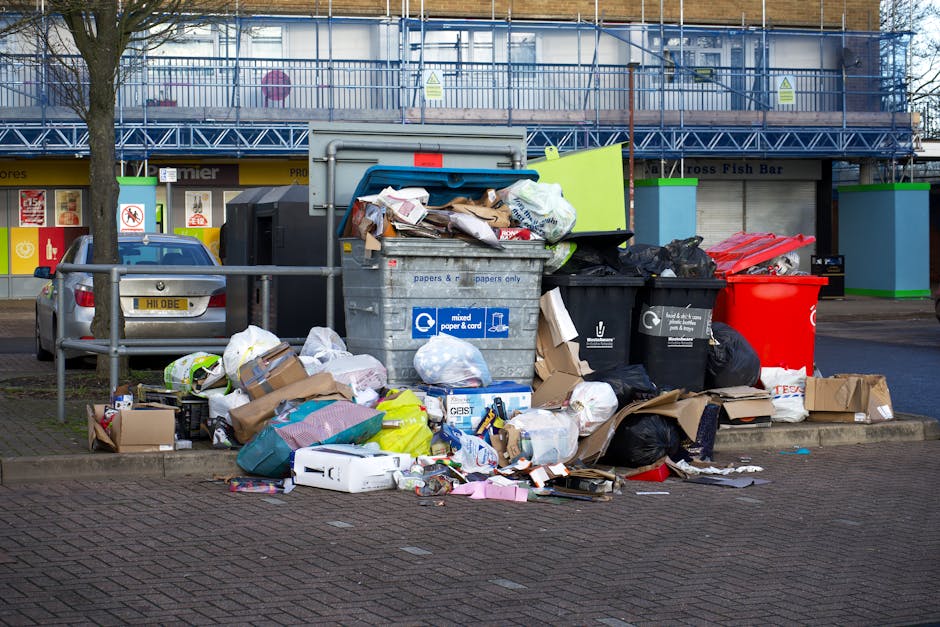
If you live in Blackheath and you've got an old sofa in the hallway, a mattress in the spare room, or a broken wardrobe that has been waiting "just for this weekend" since spring, bulky waste can become one of those jobs that quietly nags at you. Understanding Greenwich Council bulky waste rules in Blackheath helps you avoid missed collections, prevent fly-tipping issues, and choose the cleanest, easiest way to get large items moved on without the usual stress.
The tricky bit is that bulky waste is not quite the same as general rubbish. Councils tend to treat large household items differently from everyday bin waste, and the practical rules can be a little more specific than people expect. In this guide, we'll walk through what bulky waste usually means, how collection arrangements work in real life, what to check before you book anything, and when a private clearance service may make more sense. Simple enough on paper. A bit less simple when the item is wedged behind a doorframe, of course.
To make this genuinely useful, we'll keep the focus on the everyday decisions Blackheath residents actually face: what counts as bulky waste, how to prepare it, what mistakes cause delays, and how to choose the right route for your home, flat, or business. If you're trying to clear a room quickly and properly, this will save you a few headaches.
Why Understanding Greenwich Council bulky waste rules in Blackheath Matters
Bulky waste rules matter because they shape what you can put out, how you book it, and what happens if you don't follow the process. A bulky item is usually something too large for normal household bins: think sofas, beds, wardrobes, tables, white goods, and similar items. But the details matter. Is it dismantled? Does it contain electrical parts? Is it contaminated with other waste? Is it from a house clear-out, or are you dealing with business waste? These little distinctions can change the outcome.
In Blackheath, that becomes even more relevant because homes vary so much. A terraced house with a narrow front path has different access needs from a fourth-floor flat with no lift. A collection that looks straightforward in the kitchen may become awkward in the stairwell. Knowing the council's bulky waste expectations helps you prepare properly instead of discovering the problem at the kerbside, which is never fun.
There's also a cost and convenience angle. Council collection services can suit some households very well, especially if you only have one or two items and don't mind waiting for a slot. But if you have several pieces, a time-sensitive move, or mixed waste that needs sorting, you may need a different solution. That's where professional waste removal or a more targeted clearance service can be the easier route. You don't want to pay twice, or worse, leave items sitting outside because the plan wasn't quite right.
Practical takeaway: the best bulky waste plan is the one that matches the item, the access, and the urgency. Not every large item needs the same solution, and that is where most people trip up.
Table of Contents
- Why Understanding Greenwich Council bulky waste rules in Blackheath Matters
- How Understanding Greenwich Council bulky waste rules in Blackheath Works
- Key Benefits and Practical Advantages
- Who This Is For and When It Makes Sense
- Step-by-Step Guidance
- Expert Tips for Better Results
- Common Mistakes to Avoid
- Tools, Resources and Recommendations
- Law, Compliance, Standards, or Best Practice
- Options, Methods, or Comparison Table
- Case Study or Real-World Example
- Practical Checklist
- Conclusion
- Frequently Asked Questions
How Understanding Greenwich Council bulky waste rules in Blackheath Works
The exact booking process and accepted items can change over time, so the safest habit is to check the current council guidance before you arrange a collection. That said, the general pattern is familiar across UK local authorities.
Typically, you will need to identify the items, decide whether they are suitable for bulky collection, and arrange a booking or request through the council's chosen process. In many cases, bulky waste must be presented in a safe, accessible way. That might mean placing items at the boundary of the property, or in another agreed collection point. It should not block pavements, entrances, or neighbours' access. Pretty obvious, but it still gets missed.
Items are often assessed by type. Upholstered furniture, mattresses, white goods, and mixed household items may each be handled differently. Some items can be accepted only if they are clean and separated from general rubbish. Some may need to be dismantled. Others may be refused if they contain hazardous materials, sharp components, or specialist waste that falls outside the normal household service.
If you are dealing with something more than a few pieces of furniture, you may also want to compare council collection with dedicated clearance options such as house clearance, flat clearance, or furniture disposal. Those services can be a better fit when the job is bigger, faster, or more awkward than a standard council booking. Truth be told, that is often the real issue.
One thing people often underestimate is access. If the item cannot be moved safely without damage, delay, or extra labour, the collection can become harder than expected. Narrow hallways, basement storage, shared entrances, and parking restrictions all matter. In Blackheath, where some streets are tight and busy at certain hours, those little logistical details can make a big difference.
What is usually considered bulky waste?
In plain English, bulky waste is anything household-sized that is too large for your normal containers. Common examples include sofas, armchairs, mattresses, bed frames, wardrobes, tables, desks, shelves, and some white goods. Items like construction rubble, paint, asbestos, or commercial waste generally fall into a different category and should be handled separately.
What usually causes a collection to be refused?
Refusals often happen when items are not presented correctly, are too contaminated, contain the wrong materials, or do not match the service booked. A damaged sofa with loose springs, for example, might still be fine if prepared safely. A sofa stuffed with other rubbish, less so.
Key Benefits and Practical Advantages
When you understand the bulky waste rules properly, the whole process becomes calmer. No last-minute panic. No dragging a mattress out only to discover it should have been booked differently. No guessing games.
- Cleaner compliance: you are less likely to leave items out incorrectly or breach local collection rules.
- Less risk of delay: the right item, prepared the right way, is more likely to be taken first time.
- Better use of money: you can choose between council collection and a private service based on the real job, not guesswork.
- Safer handling: large items are easier to move when you plan access and dismantling in advance.
- Less stress for neighbours: no awkward corridors full of old furniture for days on end.
There's also a tidy household benefit that people don't always mention. Once bulky waste is gone, the room feels bigger almost immediately. A cleared spare room, even with that slightly dusty "newly emptied" smell, can change how a home works. Suddenly the space is usable again. That matters if you're preparing for tenants, selling a property, or just trying to get your own home back in order.
For larger clear-outs, it can also help to look at recycling and sustainability. Good waste handling is not just about removal; it is also about keeping reusable items in circulation where possible and separating material streams responsibly.
Who This Is For and When It Makes Sense
This topic is useful for a lot of people, not just homeowners with a broken sofa.
- Tenants: if you are moving out and need to avoid end-of-tenancy issues.
- Landlords: if a property has been left with abandoned furniture or mixed bulky items.
- Homeowners: if you are clearing a loft, garage, spare room, or garden shed.
- Flat residents: if the item has to travel through shared spaces and needs careful removal.
- Families: if you are replacing beds, wardrobes, or larger furniture in stages.
- Businesses: if the waste is not domestic and needs a business-aware route, such as business waste removal or office clearance.
It makes the most sense when the item is too large for normal bins, too awkward to move yourself, or too much hassle to break down and transport. It also makes sense when the timing matters. Let's say the estate agent is coming tomorrow morning, or your tenancy ends on Friday. In that moment, the "I'll sort it later" plan tends to fall apart very quickly.
For some households, the simplest route is a broader property clearance, especially if the bulky waste is part of a bigger job. If you're emptying a loft, garage, or entire house, dedicated services like loft clearance, garage clearance, or home clearance may be more efficient than piecemeal removal. The right choice depends on volume, access, and how quickly you want the space back.
Step-by-Step Guidance
If you want a smooth bulky waste collection experience, a little preparation goes a long way. Here's a practical way to approach it.
- Identify every item clearly. Make a list of what needs to go. Include size, material, and whether it is broken down already.
- Separate bulky waste from general rubbish. Do not mix it with loose bags, old paint, sharp waste, or random odds and ends. That is where confusion starts.
- Check whether any item needs dismantling. Beds, wardrobes, and some shelving can often be made safer and easier to handle if taken apart first.
- Measure access points. Door widths, stair turns, lift size, parking proximity, and front steps all matter.
- Confirm the right service route. Council collection may suit a single item or two. A clearance service may suit mixed loads or larger projects.
- Prepare the collection point. Keep the items accessible and out of the way of pedestrians. If it is a shared property, check with neighbours or building management first.
- Keep documentation and booking details to hand. If there is a collection window, you do not want to be hunting through emails while the item is sitting outside.
A small tip from real life: if you're clearing furniture from a flat, take a quick photo of each item before it moves. It helps if you later need to confirm what was included, especially when several pieces look similar. Boring? Maybe. Helpful? Very.
Expert Tips for Better Results
Here's where a bit of experience saves time.
First, think in terms of access, not just item size. A compact wardrobe can be harder to remove than a larger table if it has to twist through a narrow staircase. The item itself is only half the story.
Second, group items by material. Upholstered furniture, wood, metal, and electrical items may be handled differently. Separating them in advance makes the process more efficient and can help avoid collection issues.
Third, don't leave it to the last minute. If you know a room has to be cleared before a move or refurbishment, plan the removal early. Waiting until the day before is a classic mistake, and yes, almost everyone does it once.
Fourth, ask whether reuse is possible. Some items in decent condition could be suitable for rehoming rather than disposal. That may not always be practical, but when it is, it can reduce waste and avoid unnecessary disposal costs.
Fifth, use a service that fits the job size. A large mixed load, especially from a loft or garage, can be better handled by a private team than by several separate council bookings. For tricky access or multiple item types, services such as furniture clearance can be a sensible middle ground.
And one slightly old-school tip: walk the route from the room to the exit before collection day. You will spot the protruding shoe rack, the loose rug, the narrow corner, the low hanging lampshade. Those little obstacles always seem to appear at the worst moment.
Common Mistakes to Avoid
Most bulky waste problems are avoidable. The trouble is, people tend to make the same few mistakes again and again.
- Booking before checking item eligibility. Not every large item is accepted in the same way.
- Leaving items in the wrong place. Blocking paths, entrances, or shared access is a fast way to create complaints.
- Mixing bulky waste with other waste streams. Builders' debris, garden waste, and domestic furniture usually need different handling.
- Forgetting access constraints. Parking, stairwells, lift size, and narrow corridors can all affect the collection.
- Assuming every service is the same. A council collection and a private clearance are not interchangeable.
- Ignoring time pressure. If you need the item gone urgently, a standard collection slot may not be fast enough.
There is also a legal and practical mistake that people underestimate: using the wrong route for waste that is not really domestic bulky waste. Builders' materials, renovation debris, and commercial refuse should be handled separately, often through a more specific service such as builders waste clearance or another appropriate arrangement.
That distinction matters. A lot. It is one of those small details that looks minor until it becomes a bigger issue than the original mess.
Tools, Resources and Recommendations
You do not need a van full of equipment to deal with bulky waste, but a few basic tools help.
- Tape measure: to check item dimensions and access points.
- Basic screwdriver or hex key set: useful for breaking down beds, shelves, and flat-pack furniture.
- Heavy-duty gloves: useful for sharp edges, splinters, and dusty surfaces.
- Protective floor covering: cardboard or old blankets can help protect hallways and stairs during removal.
- Labels or masking tape: handy if you are separating items for different disposal routes.
- Mobile phone camera: simple, but great for documenting what needs to go or sharing images for a quotation.
For people with a larger job, it can be worth comparing the broader service options on the site. A household clean-out might suit house clearance, while a more business-oriented job may need business waste removal. The useful question is not "What do I call it?" but "What is the cleanest and most practical way to move it out safely?"
If you want more information about the company's approach to service quality and support, the about us page is a sensible place to start. You can also review the terms and conditions and the insurance and safety information if you are comparing providers. That sort of due diligence is not glamorous, but it is smart.
Law, Compliance, Standards, or Best Practice
When bulky waste is involved, good practice is not just about convenience. It is about proper handling, responsible disposal, and avoiding nuisance or unsafe placement. In the UK, households and service providers are expected to avoid fly-tipping, keep waste contained, and make sure items do not create hazards in shared or public areas.
For residents in Blackheath, the practical point is simple: do not assume you can leave large items anywhere and hope for the best. If a council collection is booked, follow the instructions exactly. If a private service is used, confirm what they will take, how access works, and whether any item requires dismantling or special handling.
It is also best practice to keep an eye on material type. Electrical items, upholstered items, mattresses, and mixed loads can all require different handling standards. If an item includes hazardous contents, damaged wiring, or chemical residues, it should be treated with extra care and not bundled into normal domestic waste. That cautious approach protects everyone involved.
Responsible operators should also be transparent about safety and disposal processes. If you are checking a provider, pages like health and safety policy and recycling and sustainability can help you understand how they work. No need for jargon. Just clear information, ideally.
Options, Methods, or Comparison Table
There is more than one way to deal with bulky waste, and the right option depends on volume, timing, and access. Here's a practical comparison.
| Option | Best for | Strengths | Watch-outs |
|---|---|---|---|
| Council bulky waste collection | One or a few household items | Convenient for simple domestic disposal | May have booking rules, timing limits, or item restrictions |
| Private bulky waste clearance | Urgent jobs, multiple items, awkward access | Flexible, often faster, more tailored | Needs a good provider and clear scope |
| Furniture disposal only | Single furniture items or small sets | Useful when the load is mostly furniture | Less suitable for mixed waste or non-furniture items |
| Full property clearance | Lofts, garages, houses, flats, offices | Efficient for larger projects | May be more service than you need for just one item |
A quick rule of thumb: if the problem is one sofa and you are not in a rush, the council route may be fine. If you are clearing a whole room, have tight timing, or need help carrying items down stairs, a tailored clearance service is often better. There is no medal for making things harder than they need to be.
Case Study or Real-World Example
Imagine a Blackheath flat where the occupants have just replaced a sofa bed, a mattress, and a chest of drawers. The old items have been moved into the hallway, and suddenly the corridor feels half its original width. One person thinks the council collection will handle it all in one go. Another person says the items should be dismantled first. A third asks whether the mattress can sit on top of the sofa. That is usually how bulky waste starts to become a conversation instead of a task.
In a case like that, the best approach is to sort items by type, check what can be safely dismantled, and decide whether the volume fits the council service or whether a clearance team would be quicker. If the building has narrow stairs and shared access, moving the items neatly and efficiently becomes just as important as disposal itself.
What tends to work well is this: photograph the items, measure the route to the exit, separate the mattress from hard furniture, and schedule collection early enough to avoid a weekend logjam. If the job is still too awkward, a service such as flat clearance can turn a stressful half-day into something that is over and done with before lunch. Not glamorous, but very effective.
Practical Checklist
Use this checklist before you arrange bulky waste removal in Blackheath.
- List every item clearly.
- Check whether each item is accepted as bulky waste.
- Separate furniture, electrical items, and other waste streams.
- Measure doors, stairs, lifts, and tight corners.
- Decide whether dismantling is needed.
- Confirm the collection point and timing.
- Protect floors and walls if items need to pass through narrow spaces.
- Keep children and pets away from the removal route.
- Choose the most suitable service for the volume and urgency.
- Review provider terms, safety, and recycling information if booking privately.
If your job has grown beyond a simple furniture pickup, it may help to look at related services like furniture clearance or even a broader home clearance package. That way you can match the service to the real amount of work, rather than the amount you wish it was.
Conclusion
Understanding Greenwich Council bulky waste rules in Blackheath is really about making a practical decision with fewer surprises. Once you know what counts as bulky waste, how access affects collection, and when a different service makes more sense, the whole thing gets much easier. You can avoid rejected collections, keep your home tidy, and choose the cleanest route for the item in front of you.
The best approach is usually the one that fits the size of the job, the timing you are working to, and the space you have available. Some people only need one item taken away. Others need help with several rooms' worth of old furniture and mixed clutter. Both are valid, and both deserve a method that feels calm rather than chaotic.
If you are comparing your options, review the relevant service pages, check the company's policies, and make sure you understand what is included before you book. A little clarity at the start saves a lot of faff later on.
Get a free quote today and see how much you can save.
And if you are standing in a room full of old furniture right now, take a breath. It is fixable. More than fixable, actually. You're closer than you think.
Frequently Asked Questions
What counts as bulky waste in Blackheath?
Bulky waste usually means large household items that do not fit in normal bins, such as sofas, beds, wardrobes, tables, and some white goods. The exact list can vary depending on the collection route, so it is always worth checking before booking.
Can I leave bulky waste on the pavement outside my home?
Not unless the collection instructions say that is acceptable. In most cases, items need to be presented in a specific way and should not block walkways, entrances, or shared access routes.
Do I need to dismantle furniture before collection?
Sometimes, yes. Dismantling can make items safer and easier to move, especially in flats or houses with tight stairways. If you can remove legs, doors, or shelves safely, that often helps a lot.
What if I only have one item to remove?
One item may be suitable for a council collection, depending on the item type and current local process. If it is urgent or awkward to move, a private furniture disposal or waste removal service may be simpler.
Is bulky waste the same as builders' waste?
No. Builders' waste usually includes renovation debris, rubble, tiles, plasterboard, and similar material. That should be handled through a separate route such as builders waste clearance rather than a standard bulky item collection.
Can electrical items go out with bulky waste?
Some electrical items may be accepted, but not always in the same way as furniture. Because wiring and components can change how the item is handled, it is best to confirm this before booking.
What should tenants do before moving out?
Tenants should check what needs to be removed, separate reusable items from waste, and arrange collection early enough to avoid tenancy issues. Leaving bulky waste behind can create avoidable disputes and costs.
Is a private clearance service better than council bulky waste collection?
Not always. Council collection can be suitable for simple domestic items. A private service is often better for larger loads, urgent removals, difficult access, or when you need several item types handled together.
How do I prepare items for collection?
Make sure the items are easy to identify, separate them from other rubbish, dismantle them if safe to do so, and place them where the collection team can access them without causing a blockage.
What if I have a lot more than a few bulky items?
If the job has grown into a loft, garage, or whole-property clear-out, a broader service such as loft clearance, garage clearance, or house clearance is usually more efficient than multiple separate collections.
Are there sustainability benefits to using a proper clearance service?
Yes. Responsible clearance helps ensure items are sorted, recycled where possible, and handled in a way that reduces unnecessary waste. That is often easier to manage when the provider has a clear recycling process.
How do I choose the right service in Blackheath?
Start by looking at the item type, the amount of waste, the access to the property, and how quickly it needs to be removed. Then compare the most relevant options, such as furniture clearance, flat clearance, or waste removal, and choose the one that best matches the actual job.