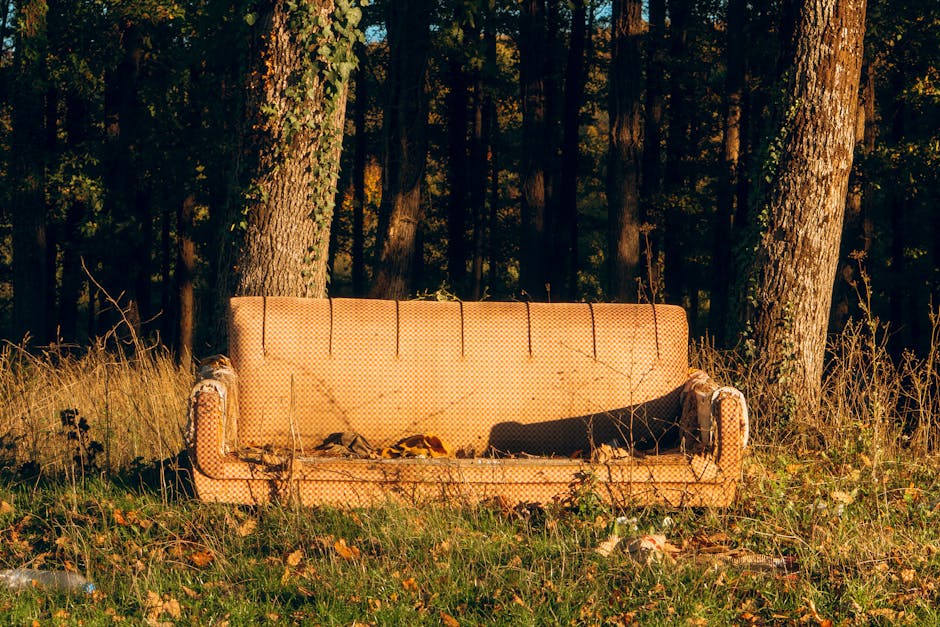
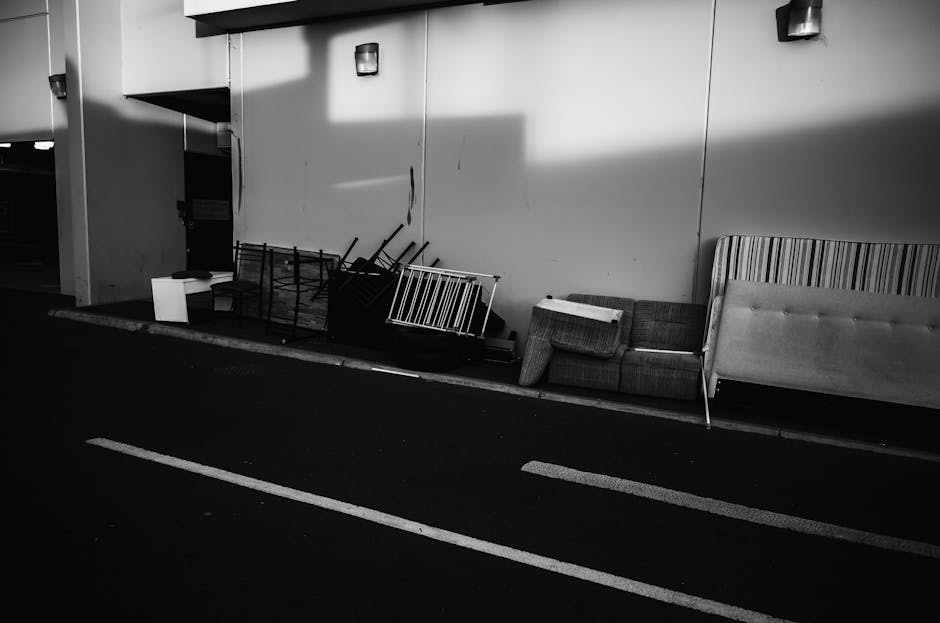
Where to recycle a sofa near Blackheath Common: a practical local guide
If you are staring at an old sofa and wondering what to do next, you are not alone. Sofas are bulky, awkward to move, and rarely fit into a normal household bin plan. The good news is that where to recycle a sofa near Blackheath Common is usually less complicated than it first appears once you understand the options, the condition of the item, and what local reuse or disposal route makes sense.
This guide walks you through the most practical choices, from reuse and donation to furniture recycling and professional removal. It also explains what to check before you book anything, how to avoid common mistakes, and when a service such as furniture disposal or furniture clearance may be the easiest route. If you want a sofa gone without hassle, this will help you make a clear, sensible decision.
Quick answer: if a sofa is clean, reusable, and structurally sound, try reuse first; if it is damaged, heavily worn, or no longer safe to use, look for a furniture recycling or removal route that can handle bulky waste responsibly.
Table of Contents
- Why Where to recycle a sofa near Blackheath Common Matters
- How Where to recycle a sofa near Blackheath Common Works
- Key Benefits and Practical Advantages
- Who This Is For and When It Makes Sense
- Step-by-Step Guidance
- Expert Tips for Better Results
- Common Mistakes to Avoid
- Tools, Resources and Recommendations
- Law, Compliance, Standards, or Best Practice
- Options, Methods, or Comparison Table
- Case Study or Real-World Example
- Practical Checklist
- Conclusion
- Frequently Asked Questions
Why Where to recycle a sofa near Blackheath Common Matters
A sofa is not just another piece of rubbish. It is large, often partly recyclable, and sometimes reusable if it still has life left in it. That matters because the best outcome is usually not simply "get rid of it quickly", but "move it through the right route with the least waste and the least hassle".
For residents near Blackheath Common, the challenge is often practical rather than philosophical. You may have a flat with narrow stairs, no van, limited storage, or a replacement sofa arriving on a fixed day. In that situation, the difference between a smooth removal and a stressful one can come down to choosing the right route early.
There is also an environmental reason to think carefully. Sofas can contain timber, metal, foam, fabric, and fixings. Some of those materials may be recoverable, while others need specialist handling. Choosing a responsible route helps reduce avoidable landfill use and keeps usable items in circulation longer. If sustainability matters to you, it is worth looking at a business's approach to recycling and sustainability before you decide.
And then there is the simple reality of space. A sofa left in a hallway, garden, or shared entrance quickly becomes a nuisance. If you live in a managed building, it can also create access issues or complaints from neighbours. So yes, the question is practical, but it is also about comfort, compliance, and keeping your home moving.
How Where to recycle a sofa near Blackheath Common Works
In practice, sofa recycling usually follows one of four routes: reuse, refurbishment, material recycling, or disposal through a licensed waste carrier. The right route depends on the sofa's condition and the level of effort you want to put into the process.
1. Reuse or donation
If the sofa is clean, safe, and in decent condition, reuse is often the best first step. A second-hand shop, charity channel, or local resale platform may take it if the frame is sound and the fabric is presentable. This route keeps the item in use and often avoids the need for dismantling. It is the best-case scenario, provided the item is acceptable to the receiving organisation.
2. Furniture recycling
When the sofa is no longer suitable for reuse, furniture recycling becomes the next option. This can involve stripping the sofa for recoverable materials. Not every sofa can be broken down in the same way, and not every part has a recycling outlet, but the principle is straightforward: recover what can be recovered and process the rest properly.
3. Bulky waste collection or professional removal
If you cannot transport the sofa yourself, a local removal service may be the most practical choice. A good provider will collect the item, separate reusable material where possible, and ensure it goes to an appropriate facility. For many people, this is the most time-efficient solution, especially when paired with other items through home clearance or even a broader house clearance.
4. Disposal as bulky waste
Some sofas are simply beyond reuse. Water damage, structural failure, heavy staining, or severe wear may make recycling less straightforward. In those cases, a licensed disposal route is still preferable to leaving the sofa outside or attempting to break it apart without knowing how to handle the waste safely.
Truth be told, most people do not need a complicated explanation of waste hierarchy. They need to know: can this be used again, can parts be recovered, and if not, who can take it away responsibly? That is the real-world decision tree.
Key Benefits and Practical Advantages
Choosing the right sofa recycling route near Blackheath Common gives you several tangible advantages. The obvious one is getting rid of an item you no longer need. But there are more subtle benefits too.
- Less stress: You avoid last-minute panic when a new sofa arrives or you need the room cleared quickly.
- Better use of space: A removed sofa can free up a living room, spare room, or communal area fast.
- Cleaner environmental outcome: Reuse and recycling generally make more sense than unnecessary disposal.
- Safer handling: Large sofas can be heavy and awkward, particularly on stairs or around tight corners.
- Less risk of fly-tipping: Using the proper route helps prevent local nuisance and legal problems.
There is also a confidence benefit. Once you know the sofa is being handled correctly, you do not need to keep worrying about where it will end up. That peace of mind matters more than people often expect, especially in a busy household or a move-out situation.
If you want to compare service options, a good place to start is the provider's pricing and quotes information. Clear pricing can help you decide whether a one-off collection or a broader clearance makes more sense.
Who This Is For and When It Makes Sense
This topic matters to a fairly wide range of people. You might assume sofa recycling is only for people replacing furniture, but the reality is broader.
- Homeowners replacing an old sofa after renovation or redecorating.
- Renters moving out and needing to clear a property quickly.
- Landlords dealing with left-behind furniture after a tenancy ends.
- Flat residents who need help moving bulky items through stairs or lifts.
- Families dealing with a damaged or worn-out sofa that is no longer usable.
- Small businesses such as offices, studios, or waiting rooms updating seating.
It also makes sense if you are clearing more than one item. A sofa often comes with cushions, armchairs, cabinets, or general clutter. In those cases, pairing sofa removal with flat clearance, furniture disposal, or even waste removal can be more efficient than booking separate trips.
If the sofa is part of a larger clean-out, the question becomes less about one item and more about the simplest overall process. That is usually where professional help starts to make sense.
Step-by-Step Guidance
Here is a simple way to approach sofa recycling near Blackheath Common without overcomplicating it.
- Check the condition honestly. Ask whether the sofa is reusable, repairable, or only fit for recycling/disposal. If it smells badly, has severe damage, or is unsafe, reuse is unlikely.
- Measure the item. Know the width, depth, and height. If it needs to pass through stairwells, doorways, or lifts, measure those too. This tiny step saves a lot of grief.
- Decide on the best route. Donation, resale, recycling, or collection? Pick the route that matches the sofa's condition and your timeline.
- Ask what the collector accepts. Some services will take all standard sofas, while others have limits if the item is damaged, infested, or wet.
- Prepare access. Move small obstacles, protect walls if needed, and make sure the route out of the property is clear.
- Confirm handling details. A professional service should be able to explain whether the sofa is being reused, recycled, or disposed of through the proper channels.
- Keep your paperwork or booking confirmation. This is especially useful if you are in a managed building or need evidence of responsible disposal.
If you are dealing with multiple bulky items, a service like furniture clearance can often simplify the whole process by removing everything in one visit.
Practical rule: if moving the sofa yourself will require borrowing a van, recruiting two strong friends, and spending half your Saturday in logistics, it may already be time to book a professional collection.
Expert Tips for Better Results
Small choices make a big difference here. A sofa is a bulky item, but the path you choose does not have to be bulky in effort.
- Photograph the sofa before booking. Clear pictures help a removal team judge condition and access needs.
- Be honest about damage. Concealing stains, tears, or frame issues only creates problems on collection day.
- Think beyond the sofa. If you are clearing a room, add other items at the same time where practical.
- Choose usefulness over speed where possible. Reuse is often better than immediate disposal if the item still has value.
- Check for hidden attachments. Sofa legs, recliner parts, and loose cushions can make handling easier if removed in advance.
Another useful tip: if your sofa is in a top-floor flat or awkward hallway, tell the provider in advance. A collection team can plan around access, but only if they know what they are facing. That kind of detail is easy to overlook until the item is halfway through the doorway and everyone is negotiating angles like furniture-moving mathematicians.
For services that involve handling and transport, it is worth reviewing insurance and safety information. A trustworthy provider should be transparent about how they manage risk on site.
Common Mistakes to Avoid
Most sofa disposal headaches come from a short list of avoidable mistakes.
- Leaving the sofa outside too early. It can become weather-damaged, obstructive, or attract complaints.
- Assuming every sofa can be donated. Receiving organisations usually have condition rules for a reason.
- Not checking access. A sofa that fits the room may still fail to fit the stairwell.
- Choosing the cheapest option without checking what is included. Low quotes can hide poor service or extra charges.
- Using an unlicensed collector. If waste is not handled properly, you may still face trouble if it is traced back to you.
- Forgetting about dismantling. Some sofas need legs, arms, or modular sections removed before collection.
One of the most common assumptions is that recycling and disposal are the same thing. They are not. Recycling aims to recover materials; disposal is the final route when recovery is not practical. Knowing the difference helps you ask better questions and make a cleaner decision.
Tools, Resources and Recommendations
You do not need specialist equipment to deal with one sofa, but a few simple tools can help if you are preparing it for removal.
- Measuring tape: for doorways, staircases, and the sofa itself.
- Protective gloves: useful if the item has sharp staples, broken timber, or rough edges.
- Basic screwdriver: helpful if legs or detachable sections need removing.
- Moving blankets or cardboard: useful for protecting floors or walls during removal.
- Phone camera: for photos when requesting a quote or checking collection suitability.
As for resources, start with the service pages that explain what is offered and how it is handled. For example, if you are weighing up a full property clear-out rather than just sofa removal, home clearance and house clearance may be more relevant than a standalone pickup.
If you are comparing multiple services, it also helps to read about the company itself. A page like about us can give you a better sense of whether the business feels established and straightforward, which matters more than glossy wording.
Law, Compliance, Standards, or Best Practice
For sofa recycling and disposal in the UK, the most important principle is simple: use a responsible, legitimate route and avoid leaving waste for someone else to deal with. In practical terms, that means choosing a carrier or service that can handle the item properly and communicate clearly about where it goes next.
You do not need to become a legal expert to make a sensible choice, but a few best-practice checks are useful:
- Use a reputable waste carrier or clearance provider.
- Ask how the sofa will be processed. Reuse, recycling, or disposal should be explained clearly.
- Keep evidence of booking or collection. This is especially helpful for landlords, tenants, and businesses.
- Do not dump items near communal areas. That can create safety issues and potential enforcement problems.
If you are booking any waste service, it is sensible to review the provider's terms and conditions and complaints procedure. Those pages are not exciting reading, admittedly, but they tell you a lot about how the company handles expectations, delays, and disputes.
For peace of mind, check how payment is handled too. A transparent payment and security policy is usually a good sign that the business has thought through the customer experience properly.
Options, Methods, or Comparison Table
Here is a practical comparison of the most common ways to deal with an unwanted sofa near Blackheath Common.
| Option | Best for | Advantages | Things to watch |
|---|---|---|---|
| Donation or reuse | Clean, safe, presentable sofas | Extends product life; low waste; often the best environmental outcome | Condition standards can be strict; not every item is accepted |
| Seller collection or resale | Sofas with decent resale value | May recover some cost; keeps furniture in use | Can take time; buyer collection is not always reliable |
| Furniture recycling | Items no longer fit for reuse | Potential material recovery; more responsible than ad hoc disposal | Not all materials are equally recyclable |
| Professional furniture clearance | Busy households, flats, or multiple items | Convenient; reduces lifting and transport issues; useful for time-sensitive jobs | Costs vary by item, access, and volume |
| Bulky waste disposal | Damaged or unrecoverable sofas | Simple end route when reuse is not possible | Should still be handled by a legitimate provider |
For many readers, the real decision is between doing a little extra effort for reuse and booking a quick removal. If the sofa is in decent condition, try reuse first. If it is not, remove it cleanly and responsibly rather than letting the decision drag on.
Case Study or Real-World Example
Consider a typical scenario: a two-bedroom flat near Blackheath Common has an old three-seat sofa in the lounge. The new replacement arrives in two days, the lift is small, and the stairwell is tight. The sofa is not damaged beyond repair, but it is scuffed, heavy, and unlikely to be accepted as a donation because of its age and wear.
The homeowner first measures the sofa and the hallway. It is clear that moving it alone would be awkward and likely to damage the walls. Instead of trying to force a last-minute solution, they book a removal service that can handle bulky furniture and confirm access in advance. The sofa is collected, other small items are added to the job, and the room is cleared before the new furniture arrives.
That is the kind of outcome most people want. Nothing dramatic. No drama at the lift. No sofa marooned by the front door. Just a sensible, tidy result. And if there had been more items to clear, the same household could have combined it with loft clearance or a broader waste removal service.
The lesson is straightforward: the right route depends less on theory and more on the sofa's condition, your building layout, and how quickly you need the space back.
Practical Checklist
Use this checklist before you book or move anything.
- Check whether the sofa is reusable, repairable, or only suitable for recycling/disposal.
- Measure the sofa and the access route out of the property.
- Take clear photos for quoting or acceptance checks.
- Remove loose cushions, feet, or detachable parts if appropriate.
- Confirm whether the provider can take the item in its current condition.
- Ask how the sofa will be handled after collection.
- Review pricing, payment, and service terms before confirming.
- Clear a path from the room to the exit.
- Keep any confirmation details or receipts.
Expert summary: the best sofa recycling decision is usually the one that balances condition, convenience, and responsible handling. If the sofa still has life in it, keep it in use. If not, choose a legitimate collection or disposal route that saves you time and avoids messy shortcuts.
Conclusion
Finding where to recycle a sofa near Blackheath Common is really about making one good decision early. If the sofa is clean and usable, reuse or donation may be the smartest route. If it is worn, damaged, or simply too awkward to move, a responsible clearance or disposal service is often the most practical answer.
The main thing is not to let the sofa become a bigger problem than it needs to be. Check its condition, choose the right route, and book with a provider that is transparent about handling, pricing, and safety. That way you get the space back without creating a second headache for yourself.
If you are ready to move forward, the easiest next step is to compare options and request a clear quote from a local provider who understands furniture handling, access challenges, and environmentally sensible disposal.
Get a free quote today and see how much you can save.
Frequently Asked Questions
Can I recycle a sofa near Blackheath Common if it is still in good condition?
Yes, if it is clean, structurally sound, and meets the receiving organisation's condition standards, reuse or donation is often the best option before recycling.
What is the best option if my sofa is damaged?
If the sofa is damaged, heavily stained, or no longer safe to use, a furniture disposal or bulky waste route is usually more suitable than trying to donate it.
Do I need to dismantle the sofa before collection?
Not always. Some providers can take it whole, but dismantling legs or detachable sections can help if access is tight. Always check in advance.
How do I know if a provider is legitimate?
Look for clear service information, transparent pricing, safety details, and sensible terms. A reputable company should explain how it handles collected waste.
Can I leave my sofa outside for collection?
Only if the collection has been arranged and the provider has told you to do so. Leaving furniture out too early can create safety, weather, and nuisance problems.
Is recycling better than disposal?
Usually yes, because recycling aims to recover materials and reduce waste. But if a sofa is beyond recovery, responsible disposal is the correct route.
What if I need to clear other furniture too?
That is often when a broader service such as furniture clearance or home clearance makes more sense than booking a sofa-only removal.
How much will sofa removal cost?
Costs vary depending on the item, access, condition, and volume of waste. A clear quote is the best way to compare options accurately.
Can I include a sofa with a house clearance?
Yes, and that is often efficient if you are clearing several rooms at once. A house clearance can be more practical than separate bookings for each item.
What should I do before a collection day?
Measure access routes, take photos, clear obstacles, remove loose parts if helpful, and confirm the booking details so there are no surprises on the day.
Is there a difference between furniture clearance and waste removal?
Yes. Furniture clearance focuses on items like sofas, tables, and chairs, while waste removal is broader and may cover mixed non-hazardous rubbish as well.
Where can I learn more about the company before booking?
You can review the company's about us, recycling and sustainability, and service pages to understand its approach before you decide.